Japan's Top 10 Zoos by Visitor Numbers in Fiscal Year 2024
Discover Japan’s top 10 most visited zoos in 2024—from Ueno to Asahiyama and Izu Shaboten. See what makes them special, plus travel tips and access info for visitors.
If you're an animal lover visiting Japan, don’t miss out on exploring the country's most popular zoos.
Japan offers a wide range of unique animal parks, combining traditional zoological features with immersive and innovative experiences.
Based on visitor data from April 2023 to March 2024, here are the top 10 zoos in Japan by attendance, along with insights into what makes each one special.
📅 Top 10 Zoos in Japan (2024 Visitor Ranking)
1. Ueno Zoo
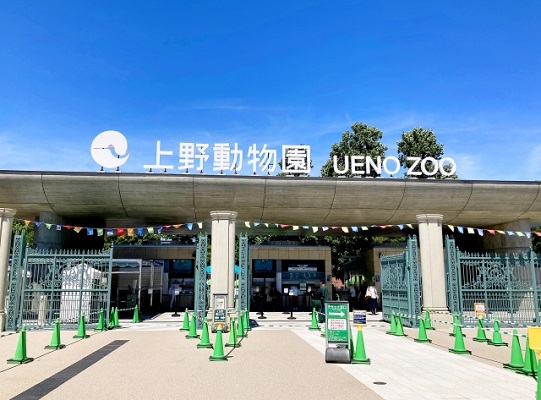
(上野動物園) – Tokyo Japan’s oldest zoo, located in the heart of Tokyo, Ueno Zoo is famous for its giant pandas, historical significance, and diverse collection of over 3,000 animals.
In 2024, it welcomed approximately 3.26 million visitors, maintaining its status as Japan’s most visited zoo.Access: Just a 5-minute walk from Ueno Station (JR Yamanote Line, Tokyo Metro Ginza/Hibiya Lines).
Japan’s oldest zoo, located in the heart of Tokyo, Ueno Zoo is famous for its giant pandas, historical significance, and diverse collection of over 3,000 animals. In 2024, it welcomed approximately 3.26 million visitors, maintaining its status as Japan’s most visited zoo. Ueno Zoo Official Website
2. Higashiyama Zoo & Botanical Gardens
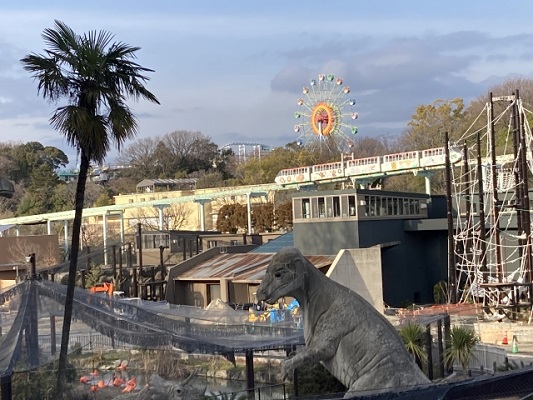
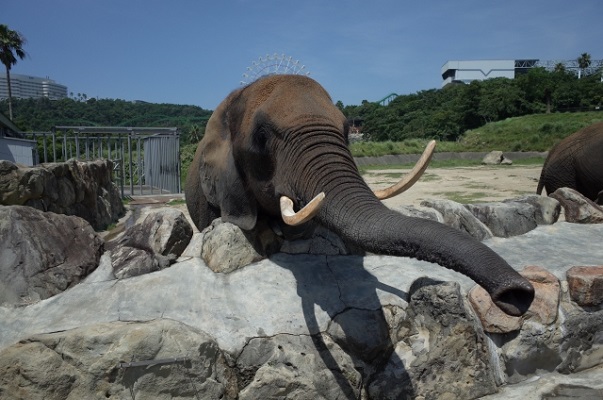
(東山動植物園) – Nagoya, Aichi This expansive zoo and botanical garden combo features a wide array of animals including koalas, elephants, and giraffes.
With a modern sky tower and scenic surroundings, it attracted around 2.65 million visitors in fiscal 2024.Access: 3-minute walk from Higashiyama Koen Station (Nagoya Subway Higashiyama Line).
This expansive zoo and botanical garden combo features a wide array of animals including koalas, elephants, and giraffes. With a modern sky tower and scenic surroundings, it attracted around 2.65 million visitors in fiscal 2024. Higashiyama Zoo Official Website
3. Tennoji Zoo
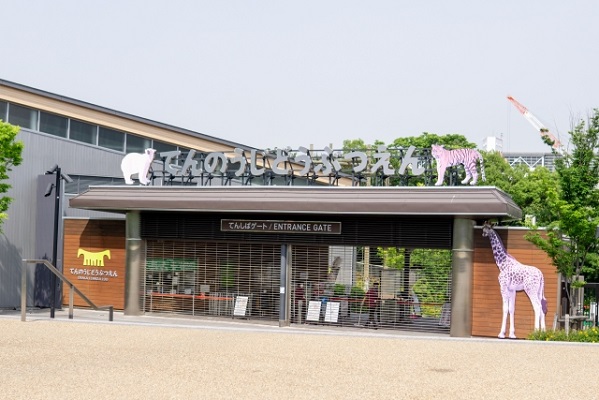
(天王寺動物園) – Osaka Located near downtown Osaka, Tennoji Zoo combines historical architecture with educational exhibits and accessible urban experiences.
Its visitor count reached 1.71 million, making it a favorite among Kansai-area families.Access: Located next to Tennoji Station (JR, Osaka Metro Midosuji/Tanimachi Lines).
Located near downtown Osaka, Tennoji Zoo combines historical architecture with educational exhibits and accessible urban experiences. Its visitor count reached 1.71 million, making it a favorite among Kansai-area families. Tennoji Zoo Official Website
4. Asahiyama Zoo
(旭山動物園) – Asahikawa, Hokkaido Famed for its unique “behavioral exhibits,” such as underwater viewing tunnels for penguins and transparent walkways for seals, Asahiyama Zoo welcomed over 1.29 million guests.
It’s a must-see in Hokkaido.Access: 40-minute bus ride from JR Asahikawa Station (Hokkaido).
Famed for its unique “behavioral exhibits,” such as underwater viewing tunnels for penguins and transparent walkways for seals, Asahiyama Zoo welcomed over 1.29 million guests. It’s a must-see in Hokkaido. Asahiyama Zoo Official Website
5. Tobu Zoo
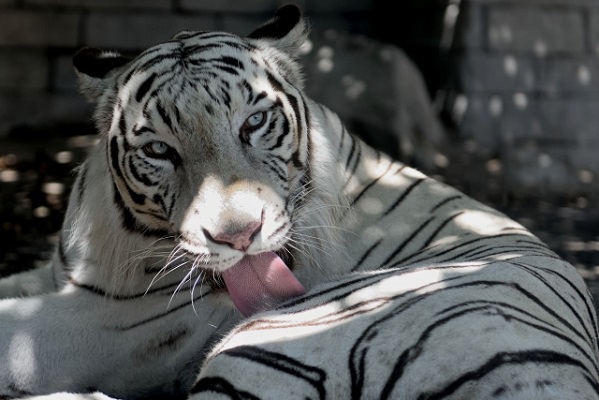
(東武動物公園) – Miyashiro, Saitama A hybrid between an amusement park and zoo, Tobu Zoo features thrill rides alongside white tigers and giraffes.
It drew approximately 1.14 million visitors, especially from the Greater Tokyo Area.Access: 10-minute walk from Tobu-Dobutsu-Koen Station (Tobu Isesaki Line).
A hybrid between an amusement park and zoo, Tobu Zoo features thrill rides alongside white tigers and giraffes. It drew approximately 1.14 million visitors, especially from the Greater Tokyo Area. Tobu Zoo Official Website
6. Izu Shaboten Zoo Group
(伊豆シャボテン動物公園グループ) – Shizuoka Known for inventing the iconic “capybara hot spring,” this zoo blends animal encounters with botanical elements.
Across its related facilities, it saw about 900,000 animal-related visitors in 2024.Access: Take a bus from Izu-Kōgen Station (Izukyū Line); about 20 minutes.
7. Adventure World
(アドベンチャーワールド) – Wakayama A unique blend of zoo, aquarium, and amusement park, Adventure World is especially famous for its panda breeding program and spacious safari zones.
It is a favorite for families and animal lovers alike.Access: 10 minutes by bus or taxi from JR Shirahama Station. Adventure World Official Website
8. Tama Zoological Park
(多摩動物公園) – Tokyo Set in a lush, hilly area of western Tokyo, Tama Zoo is known for its large enclosures and diverse species including lions, koalas, and butterflies.
It offers a naturalistic environment that appeals to both children and adults.Access: Short walk from Tama-Dobutsukoen Station (Keio Line or Tama Monorail). Tama Zoo Official Website
9. Yokohama Zoological Gardens Zoorasia
(よこはま動物園ズーラシア) – Kanagawa Zoorasia offers themed eco-habitats from different parts of the world and emphasizes conservation and education.
It’s one of Japan’s largest and most modern zoos.Access: Approx. 15 minutes by bus from Nakayama Station (JR Yokohama Line or Yokohama Subway). Zoorasia Official Website
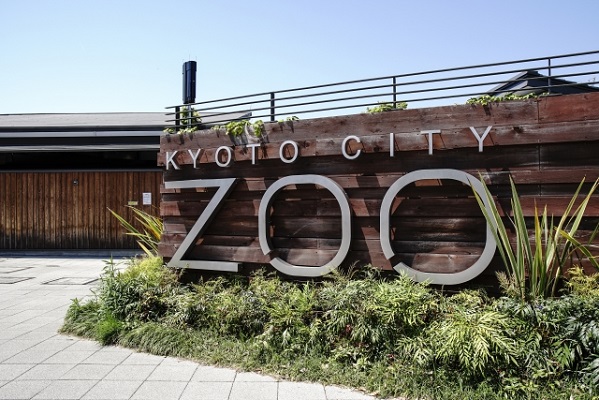
10. Kyoto City Zoo
(京都市動物園) – Kyoto Located near the famous Heian Shrine, Kyoto City Zoo is a compact yet well-designed facility focusing on education and family experiences.
It is one of Japan’s oldest zoos, recently renovated for a more interactive feel.Access: About 5-minute walk from Keage Station (Kyoto Municipal Subway Tozai Line). Kyoto City Zoo Official Website
🐘 How Many Zoos Are There in Japan?
As of 2024, Japan is home to approximately 90 to 100 zoos. The number varies slightly depending on how one defines a “zoo,” but here is a breakdown:
✅ JAZA-Member Zoos
The Japanese Association of Zoos and Aquariums (JAZA) includes around 50 full-scale zoos.
These zoos meet professional standards in animal care, education, and conservation.
Zoos can be found in almost every prefecture of Japan, providing easy access for both locals and international visitors.
If you'd like, we can also provide a prefecture-by-prefecture zoo list or compare JAZA vs. non-JAZA facilities!
🌏 Final Thoughts
Whether you’re planning a family trip, seeking close-up wildlife experiences, or exploring Japanese culture through animals, Japan's zoos offer something for everyone. Start your adventure at one of these top-ranked destinations!Access: About 5-minute walk from Keage Station (Kyoto Municipal Subway Tozai Line).