Dreamcast Across Borders: Game Sales and Preferences Between Japan and the West
Explore how game sales and preferences for the Sega Dreamcast differed between Japan and the West. From top-selling titles to cultural trends and the console's legacy, discover why the Dreamcast remains a cult classic worldwide.
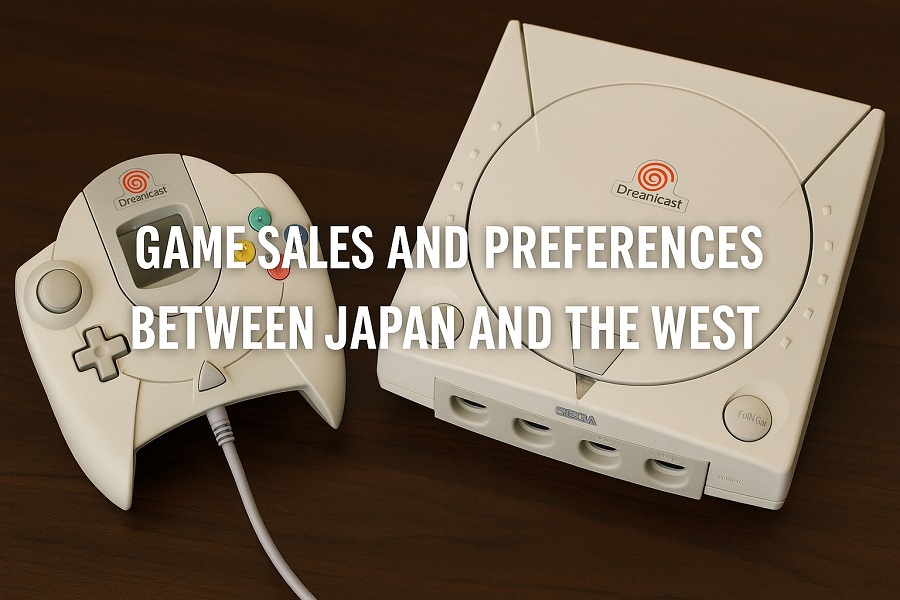
The Sega Dreamcast, released in Japan in 1998 and internationally in 1999, holds a special place in gaming history as Sega's final foray into the home console market. Despite its relatively short lifespan, the Dreamcast built a passionate global following. But what's fascinating is how differently the console was received—and more importantly, what games resonated most—with audiences in Japan versus those in North America and Europe.
Top-Selling Titles: East vs. West
In Japan, the Dreamcast's top-selling games were distinctively local in flavor. Titles like Seaman, a virtual pet game with voice interaction, and Sakura Wars 3, a blend of strategy RPG and visual novel, topped the charts. Shenmue, with its deep storytelling and attention to daily life, also made a significant impact.
Contrast that with the Western market, where the best-selling Dreamcast titles leaned heavily into action, sports, and arcade-style gameplay. Sonic Adventure led the pack globally, but in North America, games like NFL 2K, SoulCalibur, Crazy Taxi, and NBA 2K were runaway hits. These titles emphasized fast-paced gameplay and pick-up-and-play accessibility—perfect for the Western gaming scene at the time.
Top 10 Dreamcast Game Sales: Japan vs. Overseas
Rank
Japan Title (Units Sold)
Overseas Title (Units Sold)
1
Resident Evil Code: Veronica (403,000)
Sonic Adventure (approx. 2,500,000)
2
Seaman (399,000)
SoulCalibur (approx. 1,300,000)
3
Sonic Adventure (385,000)
Shenmue (approx. 1,200,000)
4
Sega Rally 2 (374,000)
Resident Evil Code: Veronica (approx. 1,140,000)
5
Shenmue (355,000)
NFL 2K (approx. 1,130,000)
6
Sakura Wars 3 (304,000)
Crazy Taxi (approx. 1,110,000)
7
SoulCalibur (288,000)
NFL 2K1 (approx. 1,010,000)
8
Virtua Fighter 3tb (280,000)
NBA 2K1 (approx. 500,000)
9
J.League Pro Soccer Club o Tsukurou! (274,000)
Sonic Adventure 2 (approx. 500,000)
10
Sakura Wars 4 (257,000)
Seaman (approx. 400,000)
Understanding the Divide
So why did these preferences diverge so sharply?
Cultural Factors: Japanese gamers have long embraced narrative-driven experiences and anime-style art, making titles like Sakura Wars and Seaman more appealing. In contrast, Western audiences preferred action-packed, realistic, and competitive games.
Localization and Language: Many Japan-only hits never received full English translations, limiting their overseas reach. Conversely, some Western-oriented games weren't pushed heavily in Japan.
Marketing Strategies: Sega of America focused its campaign around cutting-edge graphics and online play, especially through sports titles, while Sega of Japan promoted immersive storytelling and innovation.
Cult Classics and Regional Legacies
Some games found cult followings outside their home markets over time. Jet Set Radio, for instance, gained global recognition for its art style and soundtrack. Phantasy Star Online became a pioneer in online RPGs, attracting fans worldwide. Yet others, like Sakura Wars, remain largely regional favorites despite critical acclaim.
The Final Years: Dreamcast’s Strategy and Decline
Despite a strong launch and critically acclaimed titles, the Dreamcast faced fierce competition from the upcoming PlayStation 2, which promised a built-in DVD player and powerful hardware. Sega, still recovering from the Saturn’s commercial failure, could not match Sony's marketing power or third-party support.
To differentiate itself, Sega embraced online gaming—Phantasy Star Online was a bold move—but infrastructure was limited, especially outside Japan. Hardware shortages, financial strain, and the fragmented success between regions (with Japan favoring niche, story-rich games and the West leaning toward sports and action) further complicated global strategy.
By 2001, Sega announced the discontinuation of the Dreamcast and its shift toward third-party publishing. The Dreamcast's exit marked the end of an era, but its influence continued to ripple through the industry.
A Retro Revival: Dreamcast’s Modern-Day Popularity
In recent years, the Dreamcast has enjoyed a nostalgic resurgence. Retro gamers praise its experimental spirit, unique library, and ahead-of-its-time features. Collectors seek out original hardware and software, and fan communities have kept the console alive through homebrew games, online server revivals, and HD mods.
Games once overlooked—like Illbleed, D2, and Bangai-O—are now cult classics. New indie titles are even being developed for the console, showing that the Dreamcast community remains passionate and creative.
Conclusion
The Dreamcast's international journey highlights the cultural nuances in gaming preferences and marketing strategies. It wasn't just a console—it was a mirror reflecting the tastes of different regions at the turn of the millennium. Today, as fans revisit these classics, they’re not just reliving nostalgia—they’re rediscovering a unique cross-cultural moment in gaming history.