Japan has seen another exciting year in gaming, with several highly anticipated releases making waves in the market.
Here are the top-selling video games in Japan for 2024 based on sales figures.
 Japan Rankings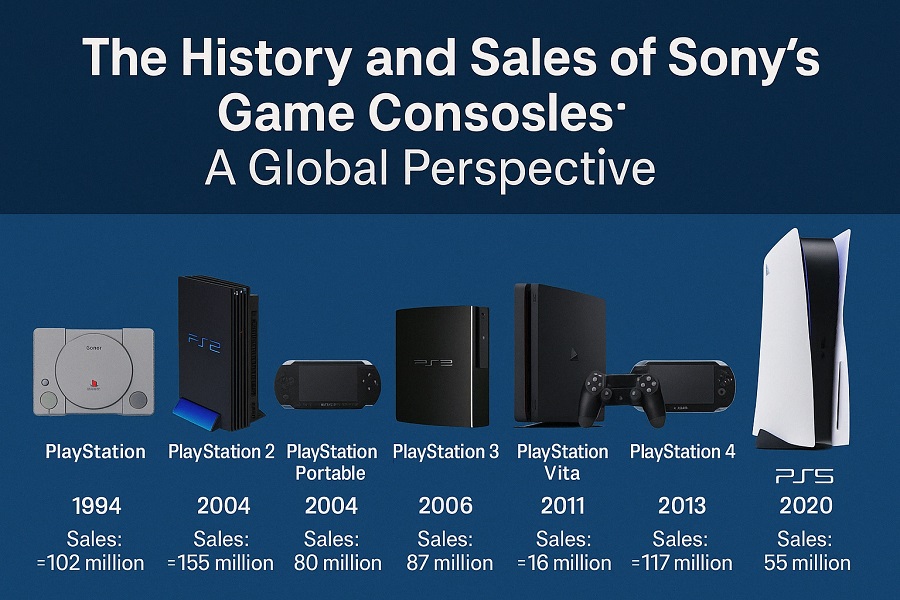
Sony’s PlayStation consoles have left an indelible mark on the gaming world. While the brand is globally renowned, there are fascinating contrasts between how each console generation performed in Japan versus the West (North America and Europe).
This article explores Sony’s console history, regional sales trends, and cultural preferences — revealing how gaming habits diverged between East and West.
Release: 1994
Total Sales: ~102 million
📊 Fun Fact: PS1 was instrumental in transitioning both markets from 2D to 3D gaming.
Release: 2000
Total Sales: ~155 million
📈 Regional Breakdown:
Release: 2004
Total Sales: ~80 million
👥 Note: Japan’s strong portable culture led to communal multiplayer gaming in schools and cafes.
Release: 2006
Total Sales: ~87 million
🌐 Interesting Contrast: Online multiplayer gained traction earlier in the West than in Japan.
Release: 2011
Total Sales: ~16 million
📉 Regional Gap:
Release: 2013
Total Sales: ~117 million
🌎 Sales Ratio: ~10M in Japan vs. ~107M abroad
Release: 2020
Total Sales (2024): ~55 million
📦 Note: DualSense controller innovation gained praise worldwide, but adoption rates diverged sharply.
| Aspect | Japan | Western Markets (NA/EU) |
|---|---|---|
| Preferred Genres | RPGs, visual novels, anime games | Action, FPS, cinematic, open-world |
| Portable Gaming Love | Strong (PSP, Vita successes) | Weak (home consoles preferred) |
| Console Launches | Gradual adoption, supply-sensitive | Aggressive launch demand |
| Online Play Culture | Grew slowly post-PS3 | Integral since mid-PS2 era |
| Gaming Culture | Otaku, local co-op, handheld-centric | Cinematic, competitive, online-first |
(Let me know if you'd like these generated — I can create them for you!)
Sony’s consoles have shaped global gaming — but how they resonated with players varied across regions.
From Japan’s handheld affinity to the West’s love for cinematic action, understanding these differences offers valuable insights into both gaming culture and market dynamics.
Whether you’re a fan of JRPGs or epic open-world shooters, the PlayStation legacy has something for everyone — shaped by local preferences, yet united by global appeal.