Inside Japan’s Backpack Market: 10 Randoseru Brands You Should Know
Looking for the best randoseru brands in Japan? Explore 10 top-rated Japanese school backpacks—from artisan leather to ergonomic tech, trusted by families across generations.
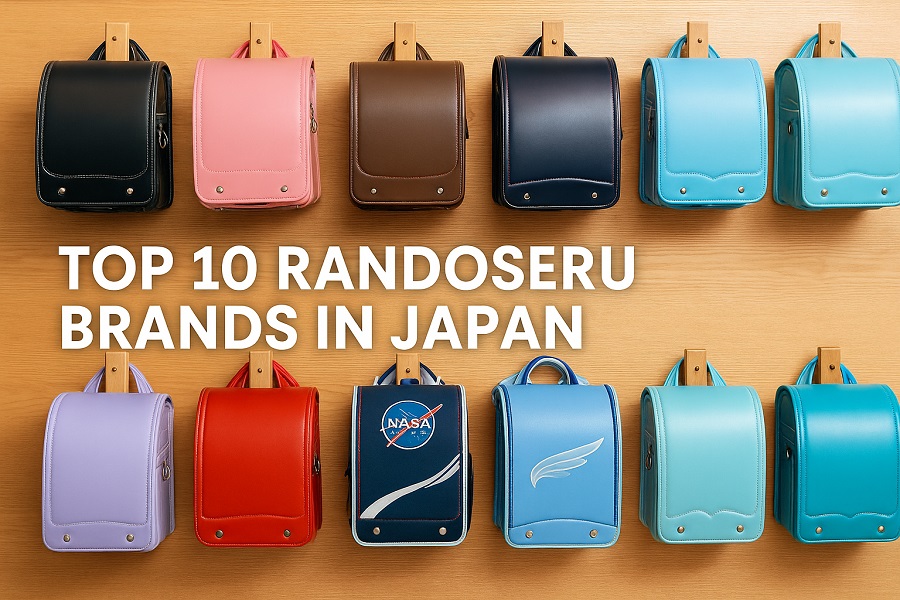
Here are 10 of the most recognized randoseru brands in Japan—whether you’re shopping for your child or simply curious about Japanese craftsmanship and design.
1. Ichikawa Bag (市川鞄広)
Type: Artisan / Premium A hand-crafted masterpiece. Known for slow production, traditional methods, and elegant full-leather builds.
Best for: Parents seeking true Japanese craftsmanship in a school backpack. Official Website: https://www.threepillars.co.jp/
2. HAKURA
Type: Premium / Minimalist Stylish, sleek, and elegant—HAKURA’s bags blur the line between backpack and design object.
Best for: Families who want understated luxury and lightweight performance. Official Website: https://www.hakura-randsel.jp/
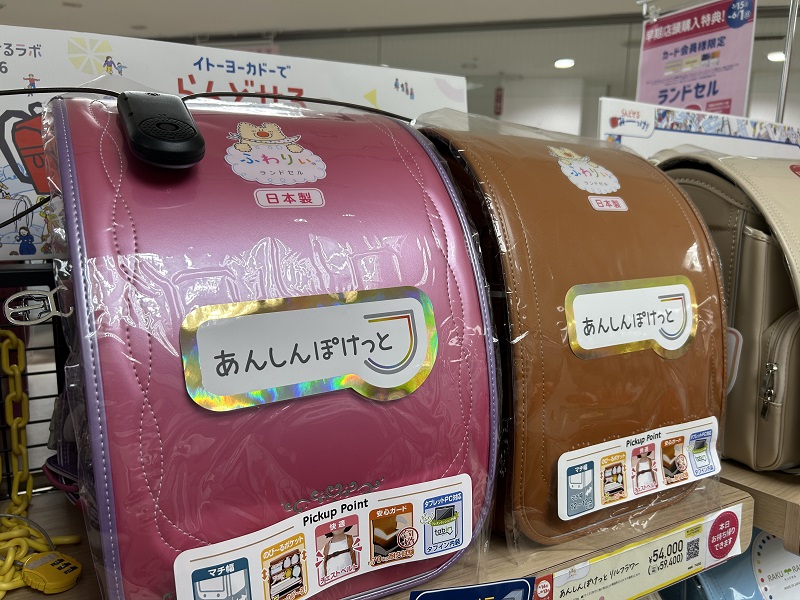
3. Fuwarii (ふわりぃ)
Type: Lightweight / Budget-friendly Designed especially for smaller children. Soft, colorful, and very light.
Best for: Budget-conscious families and younger kids. Official Website: https://fuwarii.com/
4. KOKUHO
Type: Ergonomic / Support-focused Trusted for its focus on spinal health and comfort, with orthopedic input.
Best for: Parents focused on posture, balance, and long-term wearability. Official Website: https://kokuho-randoseru.com/
5. CHIKYU
Type: Tech / Novelty A creative collaboration inspired by space exploration—perfect for dreamers.
Best for: Science-loving kids or anyone seeking something out of this world. Official Website: https://chikyubag.com/
6. Kids Ami (キッズアミ)
Type: Balanced / All-around A solid mid-range choice with good quality and wide variety.
Best for: Parents seeking reliable, no-fuss randoseru with plenty of color options.
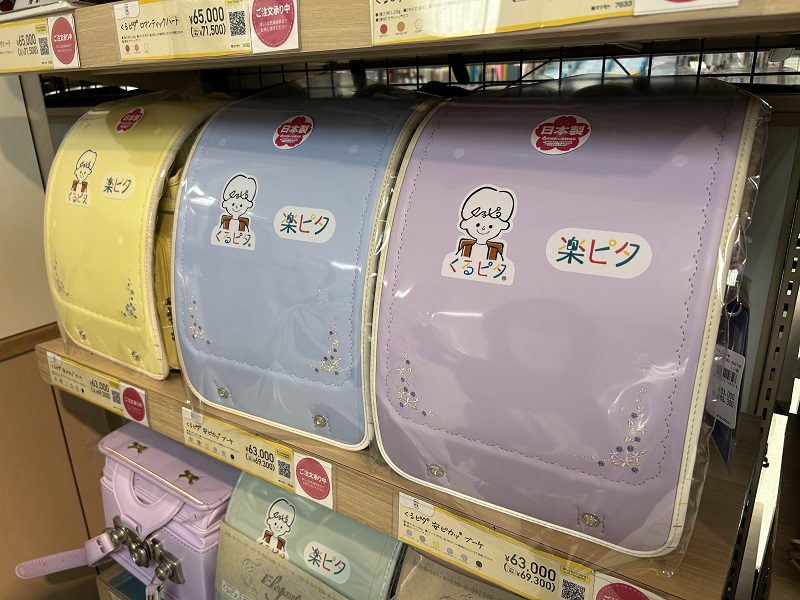
7. Kurupita (くるピタ)
Type: Kid-friendly innovation Features a signature magnetic buckle—super easy and fun to use for little hands.
Best for: Younger kids and parents who value easy-open safety.
8. Rara
Type: Fashion / Boutique Loved by fashion-conscious parents and sometimes even adults. Elegant and rare.
Best for: Those who treat the randoseru as a design piece.
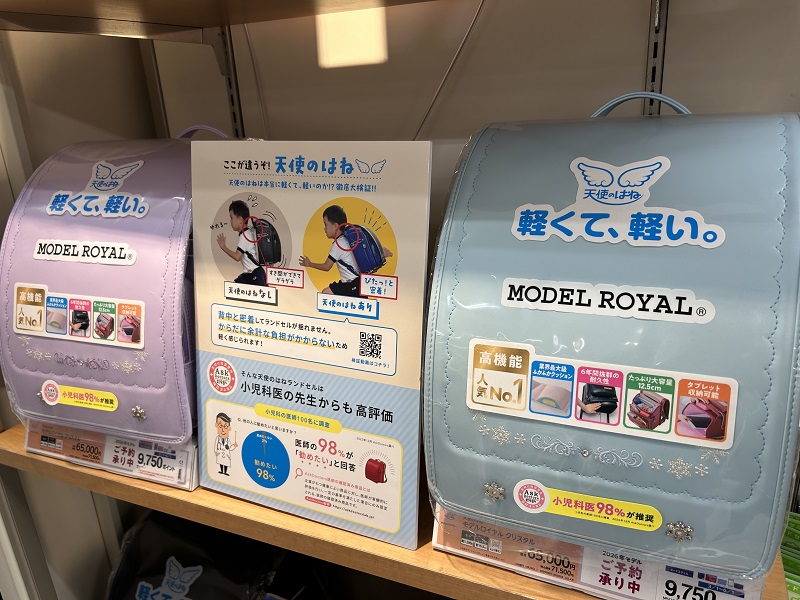
9. Tenshi no Hane (天使のはね)
Type: Ergonomic / Mass-market Patented “angel wing” suspension system for shoulder relief. One of Japan’s most popular.
Best for: Mainstream buyers who want comfort and trusted quality.
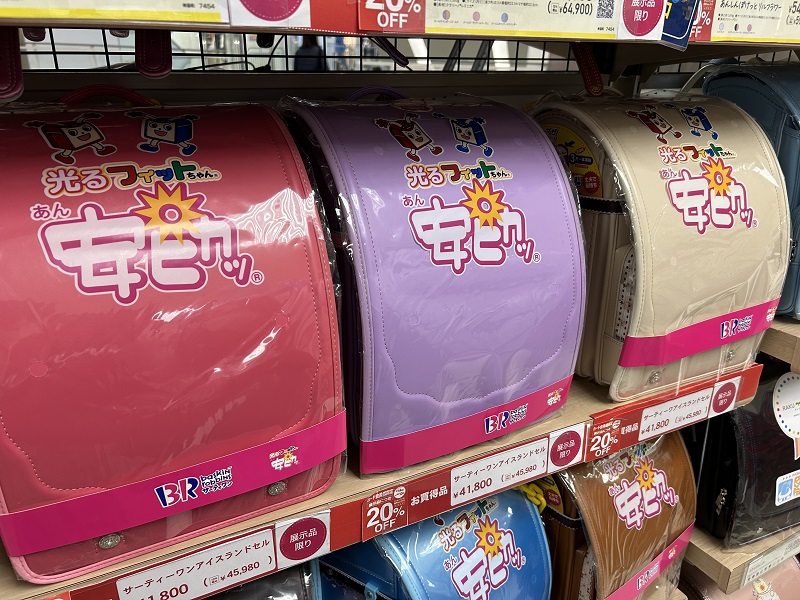
10. Fit-chan (フィットちゃん)
Type: Affordable / Versatile Excellent warranty, bright designs, and wide availability. A great all-rounder.
Best for: Budget-focused parents who still want good design and durability.
📌 Frequently Asked Questions (FAQ)
❓ What is the average price of a randoseru? Most randoseru range from ¥40,000 to ¥80,000 ($300–$600), though premium models can exceed ¥100,000.
❓ How long does a randoseru last? They are built to last all six years of Japanese elementary school—and many do.
❓ Can foreigners buy randoseru online? Yes! Most major brands offer global shipping and English-language support.
🏁 Final Thoughts: One Backpack, Many Stories
Whether you want something handmade, ultra-light, or NASA-inspired, Japan’s randoseru brands offer more than just bags—they offer values. From tradition to innovation, every randoseru carries a story, and every brand speaks to a different kind of family.
If you’re thinking of buying one—or just love learning about Japanese culture—you now know where to start.