Japan's Population Shifts in 2024: The Fastest Growing and Declining Prefectures
Japan's demographic landscape is undergoing significant changes in 2024, with some prefectures experiencing rapid population growth while others face sharp declines. As urbanization, aging populations, and migration trends continue to reshape the country, let's take a closer look at the top five prefectures with the highest population growth and the top five experiencing the steepest decline.
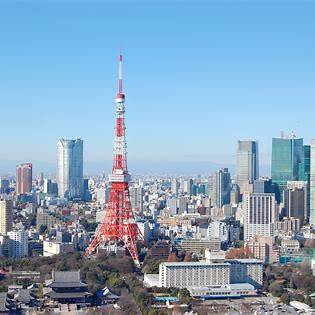
- As Japan’s economic and cultural hub, Tokyo continues to attract residents due to job opportunities, educational institutions, and modern infrastructure. The capital city remains a magnet for young professionals and international migrants.
🥈 2nd Place: Okinawa (+2.37%)
- Known for its subtropical climate and lower cost of living compared to major metropolitan areas, Okinawa has become increasingly popular among retirees and those seeking a slower-paced lifestyle.
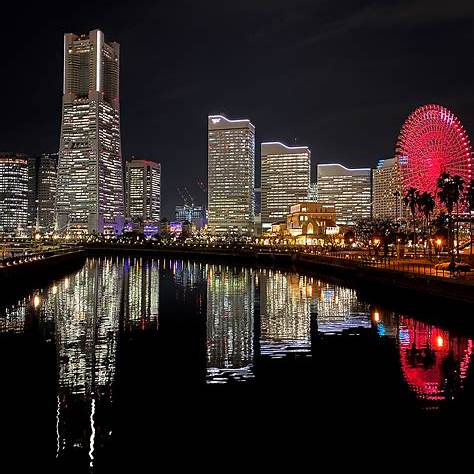
🥉 3rd Place: Kanagawa (+1.22%)
- Neighboring Tokyo, Kanagawa benefits from its proximity to the capital while offering a slightly more affordable living environment. Cities like Yokohama and Kawasaki have seen steady population increases.
🏅 4th Place: Saitama (+1.08%)
- Another Tokyo-adjacent prefecture, Saitama is growing due to its strong transport connections, affordable housing options, and expanding economic activity.
🏅 5th Place: Chiba (+0.99%)
- With easy access to Tokyo and Narita International Airport, Chiba is a popular choice for those seeking a balance between urban and suburban living.
Top 5 Fastest Declining Prefectures
🥇 1st Place: Shimane (-3.34%)
- The sparsely populated western prefecture is facing an accelerating population decline due to aging demographics and limited economic opportunities.
🥈 2nd Place: Miyazaki (-3.12%)
- Located in southern Japan, Miyazaki has been experiencing significant out-migration, particularly among younger residents seeking better job prospects in larger cities.
🥉 3rd Place: Yamanashi (-2.99%)
- Despite its scenic beauty and proximity to Tokyo, Yamanashi struggles with an aging population and limited economic diversification.
🏅 4th Place: Toyama (-2.96%)
- A traditionally manufacturing-based economy, Toyama has been affected by industrial decline and out-migration of younger generations.
🏅 5th Place: Nara (-2.92%)
- Once a thriving cultural and historical hub, Nara has been losing residents due to economic stagnation and urban migration trends.
Understanding Japan’s Population Trends
Several key factors contribute to these demographic shifts:
Urban Migration: Young professionals continue to flock to major cities like Tokyo, Kanagawa, and Osaka, seeking employment and education opportunities.
Aging Population: Many rural areas are seeing declining birth rates and aging communities, leading to negative population growth.
Regional Economic Disparities: Prefectures with strong economies and infrastructure investments attract more residents, while those with limited job prospects experience depopulation.
Conclusion
Japan’s population trends reflect the broader challenges of urbanization, an aging society, and regional economic disparities. While Tokyo and its surrounding prefectures continue to grow, rural areas are struggling with significant population decline. Addressing these imbalances will be a critical issue for Japan’s policymakers in the coming years.
As the nation navigates these demographic changes, understanding these rankings provides insight into where Japan’s population is headed in the future.