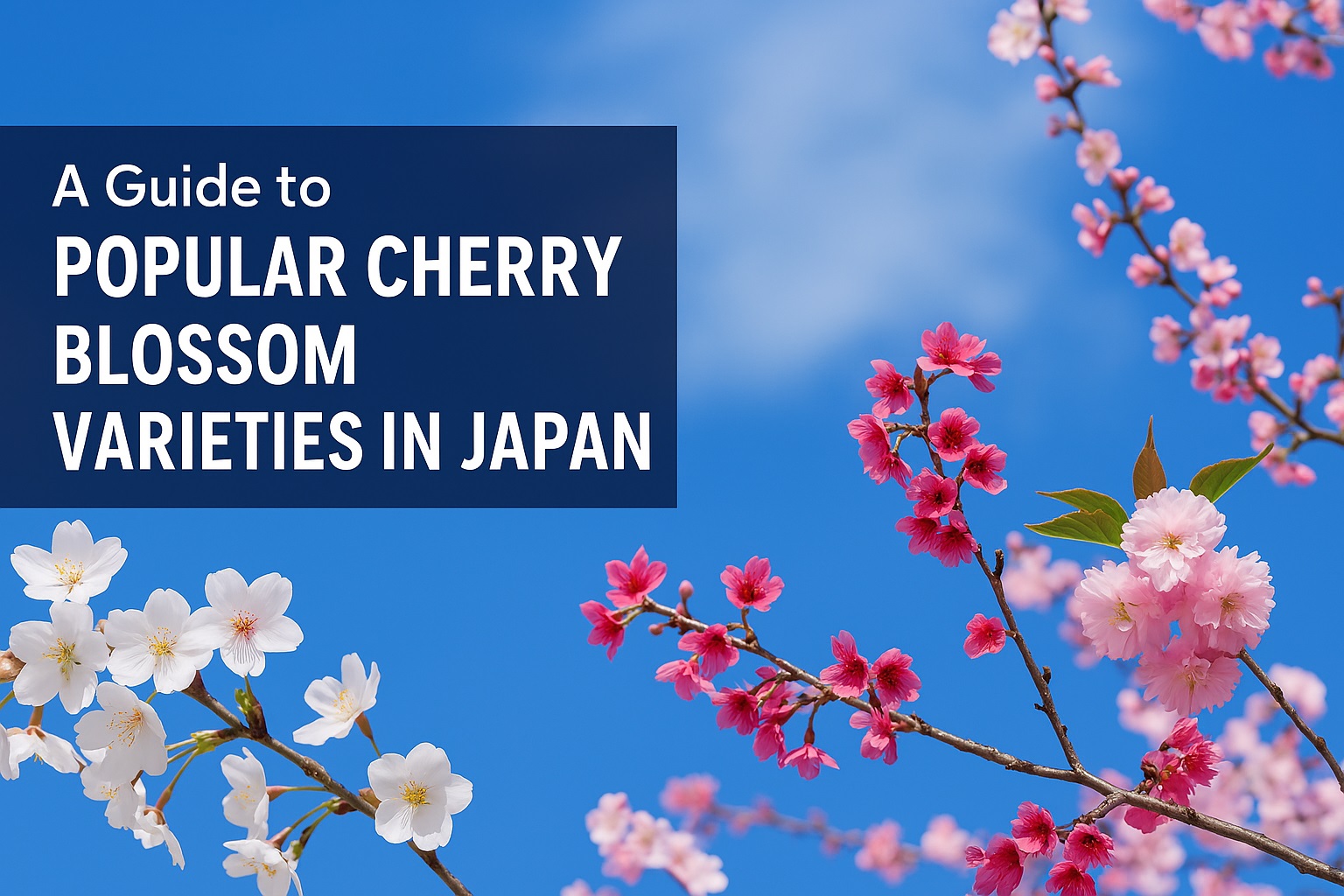
A Guide to Popular Cherry Blossom Varieties in Japan: Know What to Expect Before You Go!
Planning to see cherry blossoms in Japan? Learn the differences between sakura varieties like Somei Yoshino, Kawazu-zakura, and Kanzan to enhance your hanami experience.
Every spring, people from around the world travel to Japan to see the breathtaking cherry blossoms — known as sakura (桜) in Japanese. While most tourists expect to see soft pink flowers like those in postcards, there are actually many different types of sakura, each with unique colors, shapes, and blooming times.
If you’re planning a hanami (花見, cherry blossom viewing) trip, it's a smart idea to learn about the types of cherry trees at your destination. That way, you can enjoy the exact kind of blossoms you’re hoping to see.
Here are some of the most popular sakura varieties in Japan, including a few lesser-known but equally stunning ones.
🌸 1. Somei Yoshino (ソメイヨシノ)
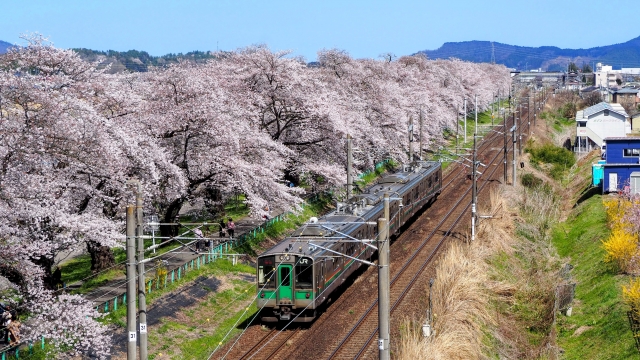
This is the most common cherry blossom tree in Japan — making up over 80% of all cherry trees nationwide. The flowers are pale pink, almost white, and they bloom in early spring (usually late March to early April).
Blooming time: Late March – Early April
Flower color: Pale pink
Best places to see it: Almost everywhere — parks, schools, temples
These are the classic cherry blossoms that line rivers and parks in places like Tokyo, Kyoto, and Osaka.
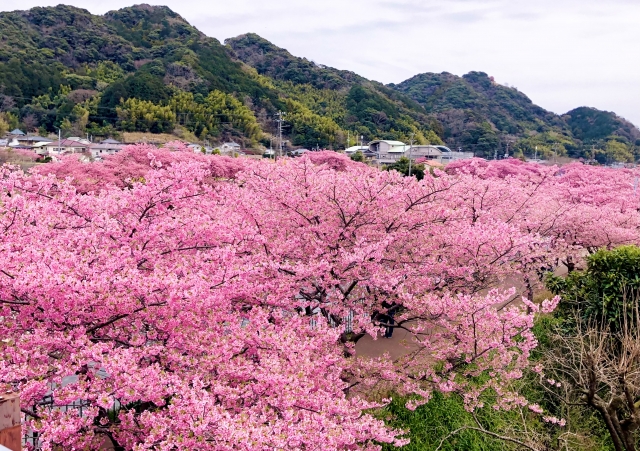
🌸 2. Kawazu-zakura (河津桜)
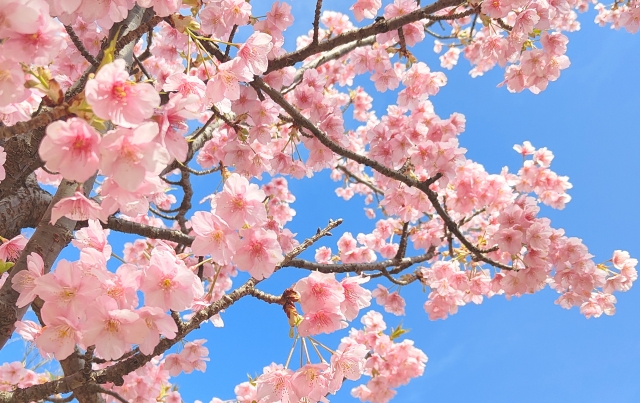
If you want to enjoy cherry blossoms before the typical season, this is the variety for you. Kawazu-zakura are known for their early blooming and deep pink petals. They bloom for about a month, making them a favorite for early hanami.
Blooming time: Mid-February – Early March
Flower color: Deep pink
Best place to see it: Kawazu Town in Shizuoka Prefecture
🌸 3. Shidare-zakura (枝垂れ桜 / Weeping Cherry)
This elegant variety features drooping branches full of blossoms — like pink waterfalls. It often blooms slightly earlier than Somei Yoshino and is extremely photogenic.
Blooming time: Mid to late March
Flower color: Light pink
Best places to see it: Kyoto’s Maruyama Park, Hirosaki Castle
🌸 4. Kanzan (関山 / Kanzan Cherry)
Kanzan is a type of yaezakura (八重桜), which means it has multiple layers of petals — usually over 20 per flower! The flowers are rich pink and fluffy, blooming later than Somei Yoshino.
Blooming time: Mid to late April
Flower color: Vibrant pink
Appearance: Full, round blossoms
Where to see it: Ueno Park, New York’s Sakura Matsuri (Brooklyn Botanic Garden)
Kanzan trees are perfect for those who want to enjoy sakura after the main season.
🌸 5. Ichiyo (一葉 / Ichiyo Cherry)
This elegant yaezakura variety features light pink, fluffy blossoms with a very special feature: a tiny green pistil in the center, which resembles a small leaf.
Blooming time: Mid to late April
Flower color: Soft pink
Notable feature: Green center ("one leaf")
Best places to see it: Shinjuku Gyoen (Tokyo), various botanical gardens
🌸 6. Fugenzo (普賢象 / Fugenzo Cherry)
Fugenzo is another type of yaezakura with large, soft pink flowers. The name comes from a Buddhist deity, and the flowers often have two long, curved stamens that resemble elephant tusks — a sacred symbol in Buddhism.
Blooming time: Mid-April
Flower color: Pale to deep pink
Best places to see it: Shinjuku Gyoen, Kyoto Botanical Garden
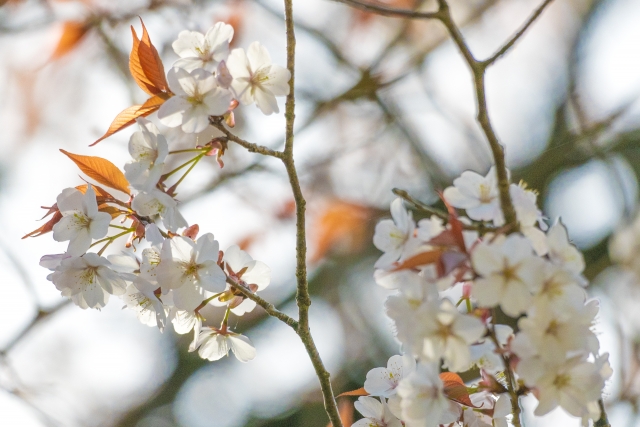
🌸 7. Yamazakura (山桜 / Wild Mountain Cherry)
Yamazakura is one of the oldest and most traditional types of cherry blossoms in Japan. Unlike Somei Yoshino, Yamazakura trees grow naturally in the mountains and have been admired for centuries — especially in classical poetry and art.
What makes Yamazakura unique is that the flowers and the young reddish leaves bloom at the same time, creating a beautiful contrast of white or pale pink petals and bronze-green foliage.
Blooming time: Early to mid-April (varies by elevation)
Flower color: Pale pink or white
Notable feature: Flowers and leaves appear together
Best places to see it: Mount Yoshino (Nara), Okutama (Tokyo), rural mountain areas
At Mount Yoshino, over 30,000 Yamazakura trees cover the slopes — it’s one of the most breathtaking sights in all of Japan.
While Yamazakura may look less "perfect" than cultivated types like Somei Yoshino or Kanzan, their natural beauty and connection to Japan’s history make them incredibly special.
✅ Why This Matters for Travelers
Many tourists feel surprised — or even disappointed — when the cherry blossoms they see don’t match what they imagined. Some trees bloom white, others pink. Some are small and delicate; others are fluffy and bold. To avoid this, always:
Check the type of sakura planted at the site.
Look up the expected blooming time.
Plan your trip based on the kind of blossom you want to see.
By learning about these differences, you’ll appreciate the diversity of Japan’s cherry blossoms and make your hanami experience truly unforgettable.
🌸 Final Tips
For early bloomers: Visit Kawazu-zakura spots in February.
For classic beauty: Look for Somei Yoshino trees in late March.
For a later season: Seek out Kanzan and other yaezakura in April.
For rare finds: Visit botanical gardens with labeled trees.
No matter which variety you see, every sakura has its own charm. Now that you know what to look for, enjoy your cherry blossom journey with confidence and wonder!