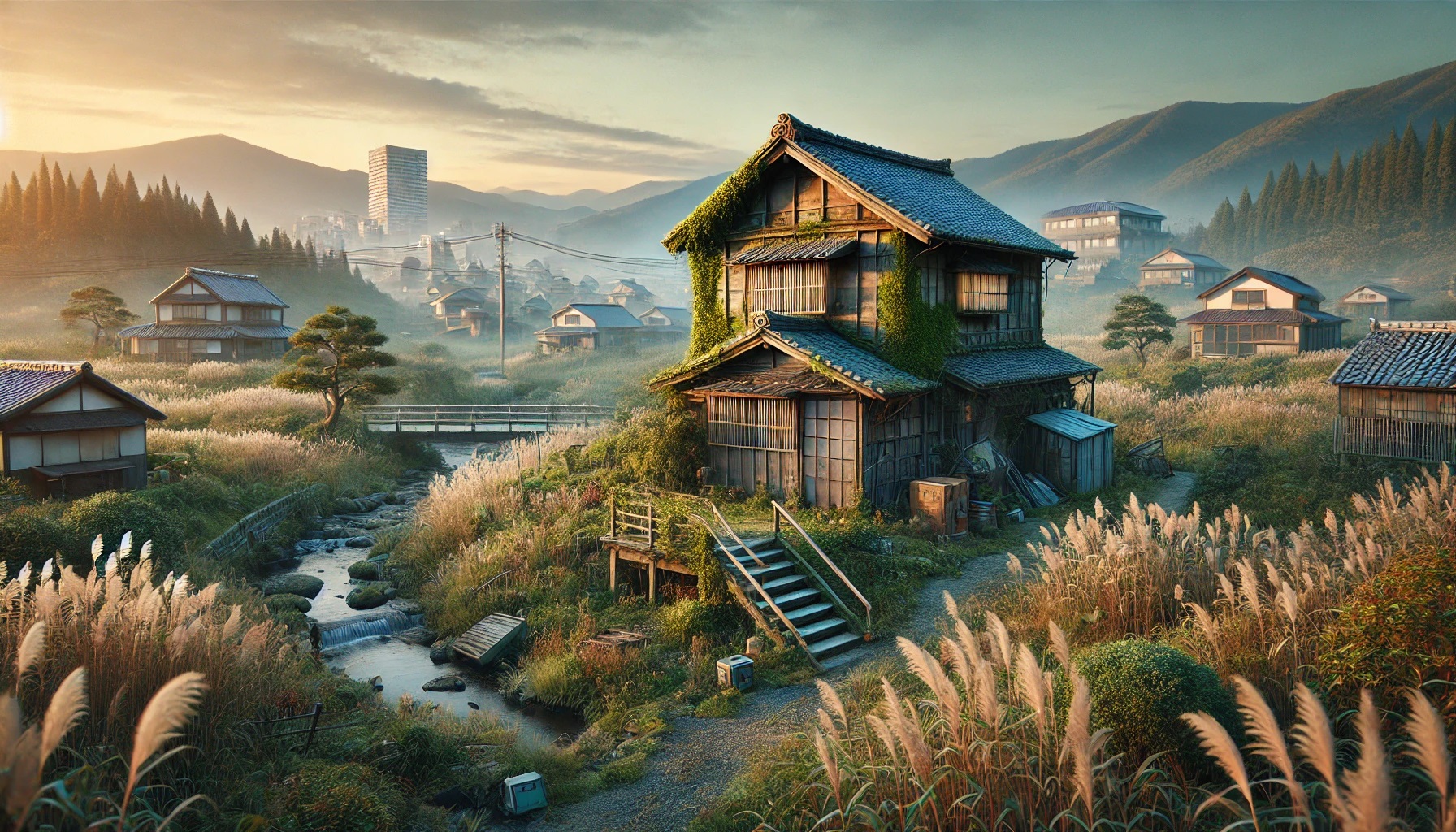
According to the latest statistics from 2023, more than 13% of all homes in Japan are unoccupied. This article ranks the top prefectures in terms of both the total number of vacant homes and the vacant home rate (as a percentage of total housing), providing insight into the reasons behind these trends and the local contexts.
Top 5 Prefectures with the Highest Number of Vacant Houses
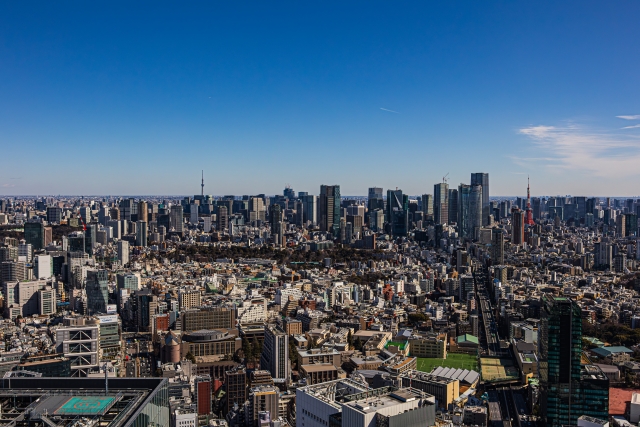
1. Tokyo (東京都) - 898,000 vacant homes
As Japan's capital and largest city, Tokyo naturally has the highest number of residences. Many vacant properties in Tokyo are aging apartments or homes in suburban areas that are no longer in demand. The high turnover in population also contributes to this figure.
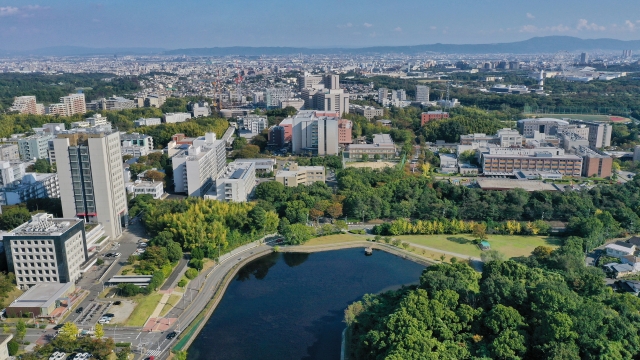
2. Osaka (大阪府) - 703,000 vacant homes
Osaka is another major urban center with a high concentration of aging properties. Suburban sprawl, along with demographic shifts and redevelopment challenges, have led to a significant number of unused homes.
3. Kanagawa (神奈川県) - 466,000 vacant homes
Located just south of Tokyo, Kanagawa has both densely populated urban zones and rural areas. Vacancies are often found in older neighborhoods or hillside towns that are harder to access.
4. Hokkaido (北海道) - 451,000 vacant homes
Hokkaido, Japan’s northernmost prefecture, has experienced consistent population decline. Harsh winters and a lack of job opportunities in rural areas drive residents toward major cities, leaving homes behind.
5. Aichi (愛知県) - 433,000 vacant homes
Despite being an industrial hub, Aichi has many older homes in regional towns that are now abandoned due to urban migration and an aging population.
Top 5 Prefectures with the Highest Vacancy Rates
1. Tokushima (徳島県) - 21.24% vacancy rate
Tokushima, located on Shikoku island, has one of the fastest-aging populations in Japan. Many younger residents leave for jobs in urban centers, resulting in a high number of empty houses.
2. Wakayama (和歌山県) - 21.17% vacancy rate
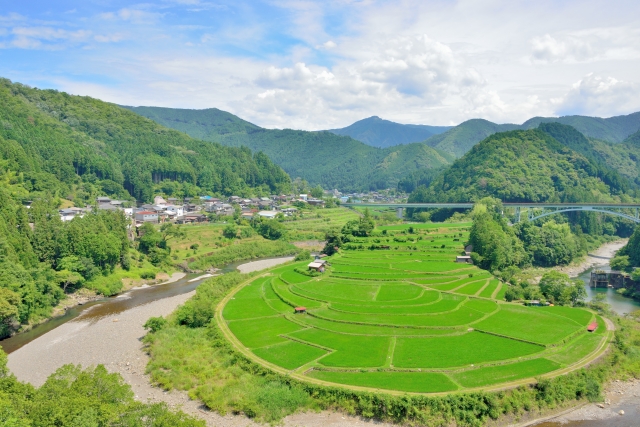
This rural prefecture faces steep depopulation. Beautiful though it may be, its mountainous terrain and limited infrastructure make it difficult to attract new residents.
3. Yamanashi (山梨県) - 20.47% vacancy rate
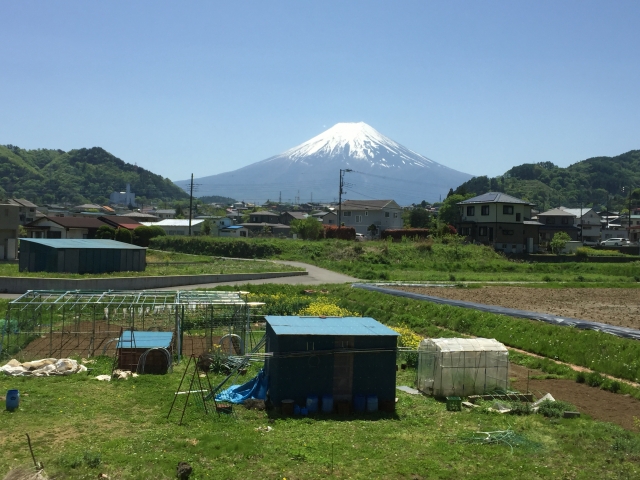
Known for its natural beauty and proximity to Mt. Fuji, Yamanashi has a high vacancy rate due to the outflow of younger generations and a sluggish housing market.
4. Kagoshima (鹿児島県) - 20.44% vacancy rate
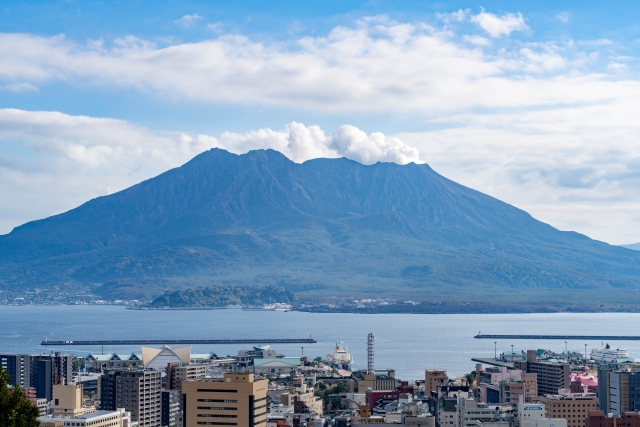
Located at the southern tip of Kyushu, Kagoshima's rural areas are dotted with abandoned homes, especially in remote communities that lack modern amenities.
5. Kochi (高知県) - 20.31% vacancy rate
Kochi's rugged geography and limited transportation access have contributed to its high number of vacant homes, despite its rich cultural heritage.
Conclusion: Urban vs Rural Divide
While large urban prefectures like Tokyo and Osaka have the highest total number of vacant homes, rural prefectures such as Tokushima and Wakayama suffer from the highest vacancy rates. This reflects a broader demographic challenge in Japan: urban migration, population aging, and regional economic decline.
For foreign investors, digital nomads, and rural revitalization enthusiasts, understanding these trends is key to identifying potential opportunities in Japan's real estate market.