10 Super Healthy Japanese Foods You’ve Probably Never Heard Of (But Should Try!)
Discover 10 traditional Japanese superfoods you’ve likely never heard of—like jinenjo, kombu, and nukazuke. Unique, nutrient-rich, and deeply rooted in Japanese wellness culture.
When people think of healthy Japanese food, sushi, green tea, and miso soup often come to mind. But Japan’s centuries-old food culture is filled with lesser-known ingredients that have long been valued for their powerful health benefits. Many of these foods are virtually unknown outside of Japan, but they’re worth discovering—especially if you're interested in longevity, gut health, or natural nutrition.
Here are 10 uniquely Japanese health foods that remain hidden gems on the global stage.
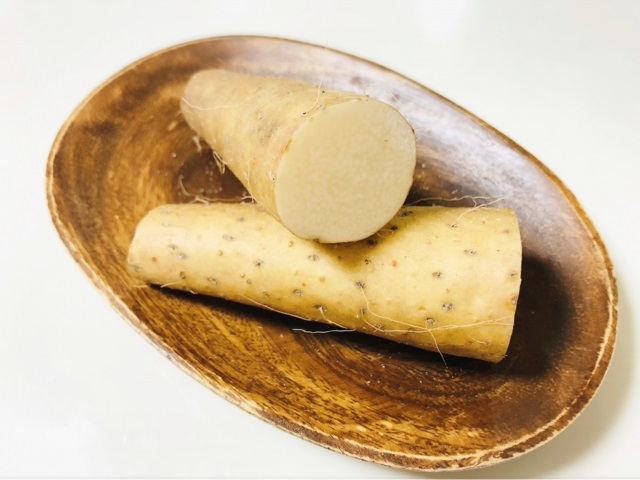
1. Jinenjo (自然薯) — Wild Japanese Yam
What it is: A sticky, earthy-flavored mountain yam native to Japan. Unlike regular yams or sweet potatoes, jinenjo is usually grated into a slimy paste and eaten raw with rice or noodles.
Health benefits:
Rich in mucin, a compound that supports digestive health and strengthens the stomach lining.
Contains natural digestive enzymes (amylase) and resistant starch, aiding gut health.
Traditionally used to boost stamina and vitality, especially during illness or fatigue.
Why Japanese people love it: Its unique texture and healing properties have earned it the nickname “nourishing yam.” It’s often seen as a natural energy tonic.
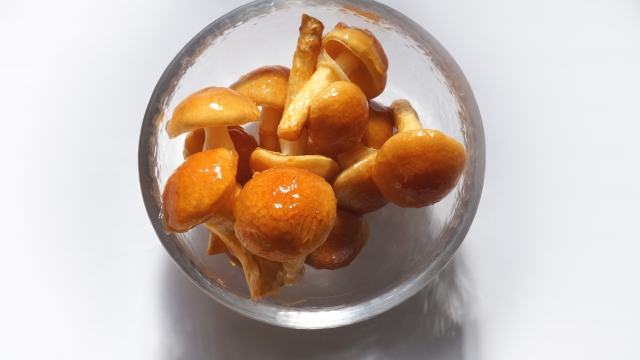
2. Nameko (なめこ) — Slippery Mushrooms
What it is: A small, amber-colored mushroom with a jelly-like coating. It’s commonly used in miso soup and soba dishes in Japan.
Health benefits:
Low in calories but high in antioxidants and polysaccharides that support immune function.
Contains dietary fiber and essential minerals.
Its slippery texture is believed to help soothe the digestive tract.
Why Japanese people love it: The smooth, slimy texture is considered delicious and refreshing—especially in hot soups or cold salads.
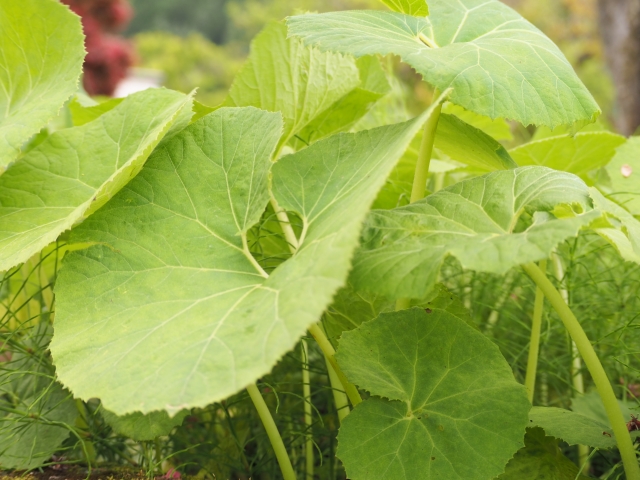
3. Fuki (ふき) — Japanese Butterbur
What it is: A bitter spring vegetable harvested from the wild. Only the stalks are eaten, often simmered in soy sauce or miso.
Health benefits:
Contains petasin and other anti-inflammatory compounds.
Supports liver function and may reduce allergy symptoms.
Why Japanese people love it: Its slightly bitter flavor is thought to “wake up” the body after winter, making it a seasonal symbol of spring and renewal.
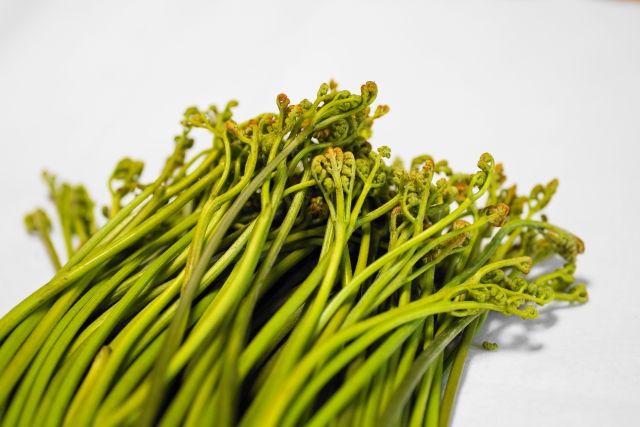
What they are: Spring mountain vegetables (wild ferns) traditionally foraged in Japan. They require special preparation like soaking and boiling to remove natural toxins.
Health benefits:
High in fiber and antioxidants.
Traditionally believed to cleanse the body and help with detoxification.
Why Japanese people love them: They represent a deep connection to nature and the changing seasons. Eating them is both cultural and spiritual in many rural communities.
5. Kampyo (かんぴょう) — Dried Gourd Strips
What it is: Made by peeling and sun-drying a type of calabash gourd. Used mostly in sushi rolls (kampyo maki), and sometimes in simmered dishes.
Health benefits:
Rich in dietary fiber, calcium, and iron.
Supports digestion and satiety.
Why Japanese people love it: Its mild flavor absorbs seasonings beautifully, and it’s associated with good luck and traditional festivals.
6. Kombu (昆布) — Kelp
What it is: A thick, mineral-rich seaweed used primarily to make dashi, Japan’s signature soup stock. Eaten in stews, or pickled as well.
Health benefits:
High in iodine, which supports thyroid function.
Rich in glutamic acid (natural umami), calcium, and dietary fiber.
Anti-inflammatory and immune-boosting.
Why Japanese people love it: Kombu is the backbone of Japanese cuisine—its deep umami flavor defines the taste of comfort foods like miso soup and hot pots.
7. Nukazuke (ぬか漬け) — Rice Bran Fermented Pickles
What it is: Vegetables like cucumbers, carrots, or daikon are buried in a bed of fermented rice bran (nuka) and allowed to pickle over time.
Health benefits:
Rich in probiotics and B vitamins.
Aids gut health and digestion.
Why Japanese people love it: Every household once had its own nuka bed, passed down through generations. It’s a symbol of home, health, and self-sufficiency.
8. Shiso (しそ) — Perilla Leaf What it is: A fragrant, jagged-edged herb from the mint family. Often used fresh as a garnish or pickled for use in rice balls.
Health benefits:
Anti-inflammatory and anti-allergic compounds. Rich in omega-3 fatty acids (ALA), calcium, and iron. Supports respiratory and immune health. Why Japanese people love it: Its refreshing aroma and antibacterial qualities make it perfect for summer dishes and raw fish.
9. Hoshigaki (干し柿) — Dried Persimmons What it is: Whole persimmons are air-dried until they become soft and sweet, with a texture like a natural jelly candy.
Health benefits:
High in fiber and natural sugars for slow energy release. Contains vitamin A, C, and antioxidants. Traditionally believed to soothe coughs and support the lungs. Why Japanese people love it: It’s a beloved seasonal treat, especially around New Year, and is often hung outside homes during autumn.
10. Kuromame (黒豆) — Sweet Black Soybeans What it is: A variety of soybeans cooked sweet with soy sauce and sugar. Served as part of osechi, the traditional Japanese New Year meal.
Health benefits:
High in anthocyanins (antioxidants), protein, and fiber. Believed to support blood health and reduce cholesterol. Why Japanese people love it: The name “kuro-mame” also means “hard-working” in Japanese. Eating it is a wish for good health and diligence in the coming year.
🍵 Final Thoughts These traditional ingredients are more than just food—they’re part of Japan’s deep connection to nature, seasonality, and holistic health. While they may not be found in your local supermarket (yet!), they offer a fascinating and nourishing glimpse into the power of traditional Japanese nutrition.
Curious to try one? Look for them at Japanese grocery stores or specialty markets—and prepare to be surprised by their flavors and health benefits.