Beyond Sapporo: 6 Stunning Winter Festivals in Japan You Shouldn't Miss
Discover six breathtaking winter festivals in Japan beyond Sapporo.
From lantern-lit snow huts in Akita to glowing ice caves in Hokkaido, explore unique seasonal experiences across Tohoku and Hokkaido with fewer crowds and unforgettable charm.
When it comes to winter festivals in Japan, the Sapporo Snow Festival (Sapporo Yuki Matsuri) is the undisputed king. With over 200 million visitors annually, its gigantic snow sculptures and festive energy attract tourists from across the globe.
But Japan's winter magic doesn't end in Sapporo. From the snow-covered mountains of Hokkaido to the serene lantern-lit nights of Tohoku, there are numerous lesser-known festivals offering equally enchanting experiences—often with fewer crowds and more local charm.
Here are six incredible winter festivals outside of Sapporo that are well worth adding to your Japan winter travel itinerary.
1. Asahikawa Winter Festival (Asahikawa, Hokkaido / 北海道·旭川)
Visitors: ~1 million Located about 2 hours from Sapporo by train, Asahikawa hosts Japan's second-largest winter festival. Known for its colossal snow sculptures (some even larger than those in Sapporo), nighttime illuminations, fireworks, and snow slides, this festival is ideal for families and photographers alike.
Pro Tip: Pair your visit with a trip to Asahiyama Zoo, one of Japan’s most popular zoos, famous for its penguin parade in winter.
How to Get There: JR Limited Express from Sapporo Station to Asahikawa Station (~90 minutes).
2. Sounkyo Ice Fall Festival (Kamikawa, Hokkaido / 北海道·上川)
Visitors: ~200,000-300,000
Nestled in Daisetsuzan National Park, this festival transforms the frigid gorge of Sounkyo into a magical landscape of ice caves, frozen waterfalls, and tunnels illuminated in vivid colors. It feels more like a fantasy world than a traditional matsuri.
Best For: Adventurous travelers and nature lovers who don’t mind braving sub-zero temperatures for a surreal winter wonderland.
Travel Tip: Stay overnight at a local hot spring (onsen) ryokan for a complete experience.
3. Otaru Snow Light Path Festival (Otaru, Hokkaido / 北海道·小樽)
Visitors: ~500,000
Held in the charming port town of Otaru, this romantic festival lights up the city with thousands of candle-lit lanterns and small snow sculptures along the historic canal and abandoned railway line. It offers a much more peaceful and nostalgic atmosphere compared to Sapporo.
Ideal For: Couples, solo travelers, and anyone looking for a photogenic escape.
Accessibility: Just 30-45 minutes from Sapporo by train.
4. Hirosaki Castle Snow Lantern Festival (Hirosaki, Aomori / 青森·弘前城)
Visitors: ~300,000-400,000
Set within Hirosaki Park, home to the famous cherry blossom festival in spring, this winter event features hundreds of snow lanterns and mini kamakura (snow huts), with Hirosaki Castle as the dramatic backdrop.
Highlights: Projection mapping on the castle walls, traditional Tsugaru shamisen performances, and apple-themed treats (Aomori is Japan’s top apple producer).
Getting There: Fly into Aomori Airport or take the shinkansen to Shin-Aomori, then local train to Hirosaki.
5. Yokote Kamakura Festival (Yokote, Akita / 秋田·横手)
Visitors: ~100,000-150,000
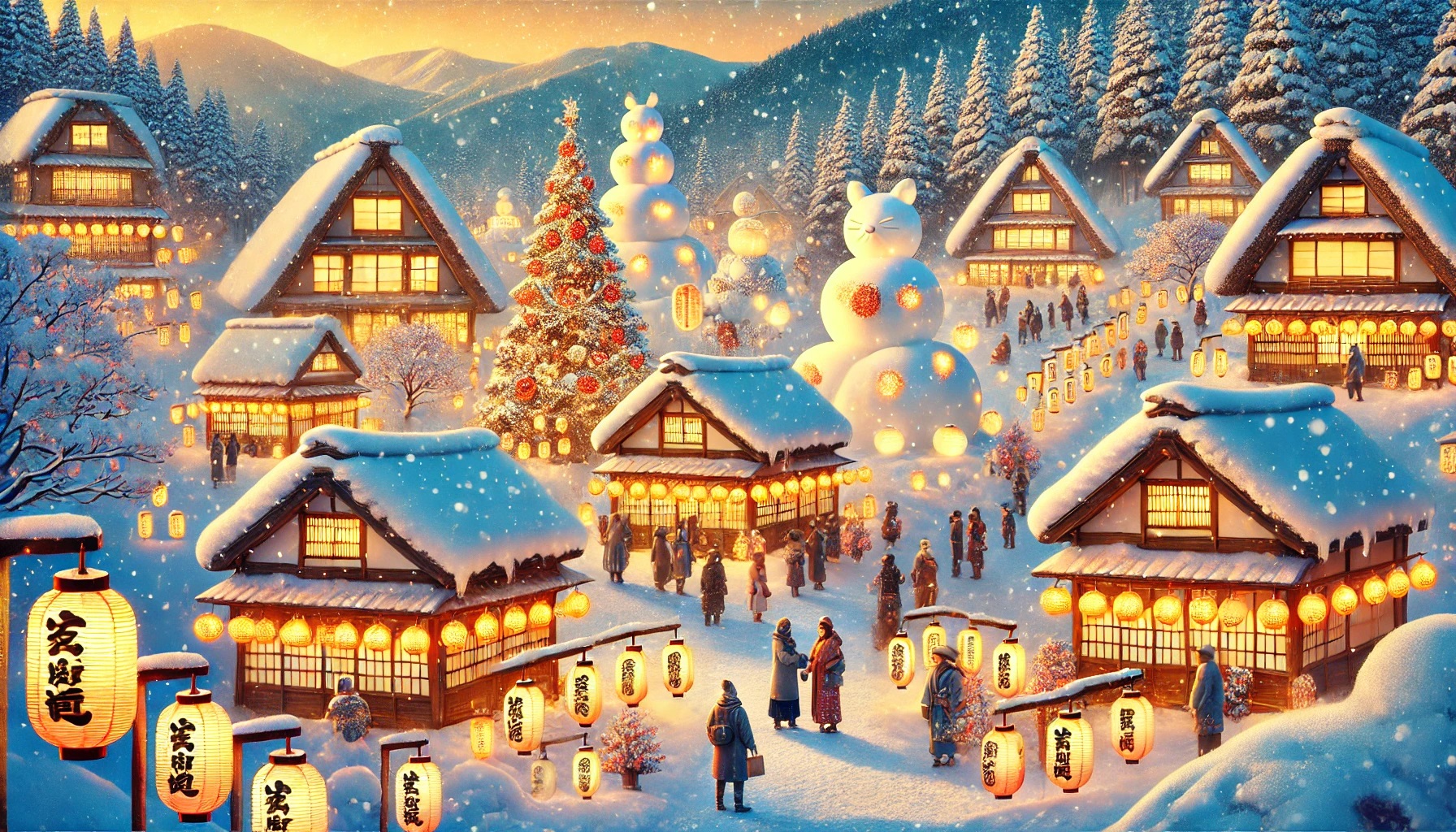
Over 400 years old, this traditional festival features dozens of snow domes (kamakura) scattered around the town. Inside the kamakura, local children invite passersby in for warm amazake (sweet sake) and mochi, embodying the spirit of Japanese hospitality.
Cultural Insight: Kamakura are believed to house water deities, and the event is deeply tied to local Shinto beliefs.
Access: About 3.5 hours from Tokyo via shinkansen and local lines.
6. Zao Snow Monsters Festival (Yamagata / 山形·蔵王)
Visitors: Tens of thousands (mainly winter sports + sightseeing tourists)
While not a "festival" in the conventional sense, the winter season in Zao is famous for its "snow monsters"—natural formations created by heavy snowfall and freezing winds on fir trees. The area hosts night illumination events and offers skiing, snowboarding, and scenic ropeway rides.
Unique Feature: Night cruises via ropeway to view the lit-up snow monsters (Juhyo) are unforgettable.
Getting There: Accessible from Yamagata City by bus or car.
Tips for Visiting Winter Festivals in Japan:
Dress Warmly: Layer up with thermal wear, snow boots, gloves, and hats. Temperatures often drop below -10°C (14°F).
Book Early: Popular accommodations and trains can fill quickly, especially around weekends and national holidays.
Cash is King: Many festival stalls and rural areas still prefer cash, so carry yen with you.
Learn a Few Phrases: Basic Japanese greetings and thank-yous go a long way in rural towns.
Whether you're drawn to frozen castles, glowing lanterns, or snowy spiritual rituals, Japan's winter festivals offer unforgettable memories beyond the crowds of Sapporo. Embrace the chill and let Japan’s snowy side steal your heart.