Top-Selling Game Boy Games in Japan — And the Stories Behind Them
Discover the top-selling Game Boy games in Japan and the cultural stories behind them. From Pokémon to Tetris, uncover the surprising hits that defined handheld gaming history.
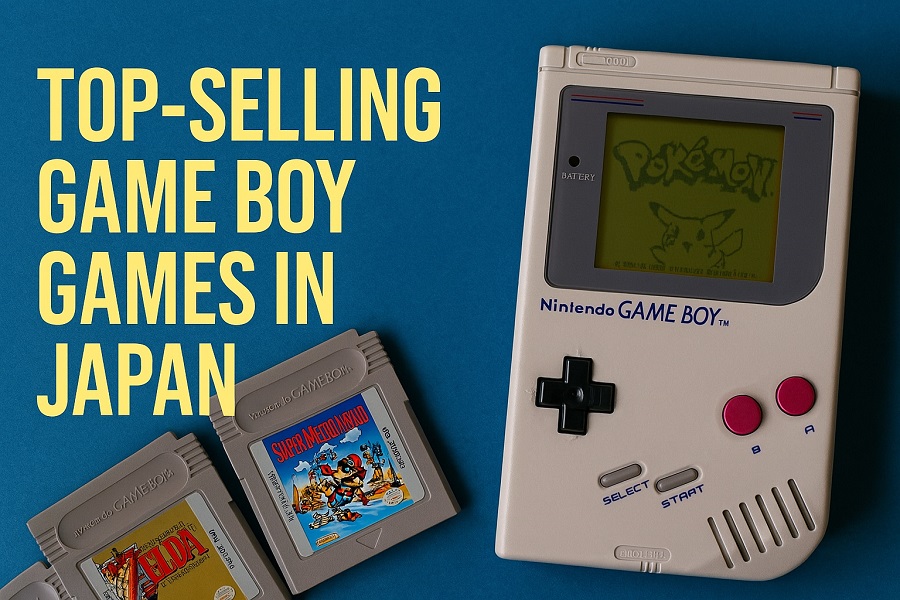
When people talk about classic handheld gaming, few consoles carry as much nostalgia and legacy as the original Game Boy. Released in 1989, Nintendo's humble grey brick became a cultural icon, not just globally but especially in Japan. From train rides to school recesses, the Game Boy was more than a device—it was a pocket companion. But what were the biggest hits in Japan? And what made them resonate so deeply with Japanese players?
In this article, we explore the top-selling Game Boy (and Game Boy Color) games in Japan, while uncovering the unique cultural context and lesser-known stories behind them. Whether you're a retro game enthusiast or a curious newcomer, you'll discover there's more behind the numbers.
Top 10 Best-Selling Game Boy Games in Japan (Approximate Sales)
Pokémon Red, Green, Blue & Pikachu — 4.78 million copies
Pokémon Gold & Silver — 2.39 million copies
Tetris — 3.5 million copies (Note: includes bundled versions)
Pokémon Crystal — 0.69 million copies
Super Mario Land — 1.86 million copies
Super Mario Land 2: 6 Golden Coins — 1.16 million copies
Pokémon Trading Card Game — 0.59 million copies
The Legend of Zelda: Oracle of Ages/Seasons — ~0.4 million (combined)
Donkey Kong (1994) — ~0.35 million copies
Dragon Quest Monsters: Terry's Wonderland — ~2.3 million copies
Pokémon Red/Green: More Than Just a Game
Pokémon wasn't just popular—it was a full-blown cultural event. In Japan, kids traded Pokémon with link cables during lunch breaks, discussed evolution chains at recess, and even coordinated team strategies on the playground. Released in 1996, Red and Green launched the Pokémon phenomenon, with Blue and Pikachu following soon after. Together, they sold nearly 5 million copies in Japan alone.
Fun Fact: In Japan, "Pokémon Blue" was originally released as a special mail-order version for subscribers of CoroCoro Comic before becoming available in stores.
Why Tetris Was a Different Kind of Hit
Tetris was bundled with the Game Boy in many markets, which massively boosted its global sales. But in Japan, where bundles were less dominant, Tetris still became a sleeper hit. It appealed to a wider audience beyond children—including adults and even elderly players. Its simplicity, elegance, and endless replayability made it the perfect commuter companion.
Hidden Gems: The Unsung Heroes of the List
Dragon Quest Monsters: Terry's Wonderland
A spin-off from Japan's beloved Dragon Quest series, this game let players collect and breed monsters in an adventure format that mirrored Pokémon in many ways. Surprisingly, it outsold many Zelda and Mario titles in Japan.
Pokémon Trading Card Game
While Western audiences may have overlooked this title, in Japan it captured the same strategic spirit of the physical card game and was a commercial success, even spawning a sequel that was Japan-only.
Game Boy vs. Game Boy Color: The Compatibility Secret
One reason Game Boy games maintained long lifespans was their backward and forward compatibility. Original Game Boy titles could be played on the Game Boy Color with added color palettes. Meanwhile, "dual-mode" cartridges (black ones) worked on both systems—white or grey for GB-only, clear plastic for GBC-exclusive titles. This compatibility ensured a massive install base and extended market reach.
The Legacy Lives On
What makes these rankings fascinating isn’t just the numbers, but the memories behind them. Whether it was the link cable battles in Pokémon, the puzzling thrill of Tetris, or the underrated brilliance of Terry's Wonderland, these games left a lasting mark on Japanese gaming culture.
As retro gaming continues to rise in popularity, revisiting these titles offers more than nostalgia—it reveals how Japan's handheld gaming scene helped shape the global industry we know today.