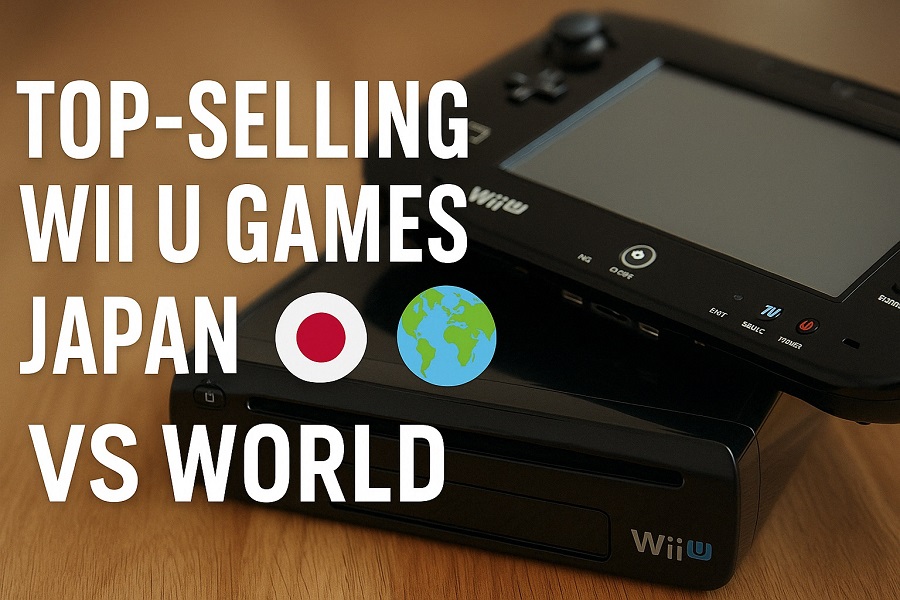
The Wii U, Nintendo's successor to the Wii, faced challenges in the global market but still offered a selection of notable titles. Let's explore and compare the top 10 best-selling Wii U games in Japan and worldwide to understand regional preferences and market dynamics.
Top 10 Best-Selling Wii U Games in Japan
Rank
Title
Release Date
Unit Sold
1
Splatoon
May 2015
~1.5 million
2
Mario Kart 8
May 2014
~1.3 million
3
New Super Mario Bros. U
Dec 2012
~0.9 million
4
Super Smash Bros. for Wii U
Dec 2014
~0.8 million
5
Super Mario 3D World
Nov 2013
~0.7 million
6
Nintendo Land
Dec 2012
~0.6 million
7
Super Mario Maker
Sep 2015
~0.6 million
8
New Super Luigi U
Jun 2013
~0.5 million
9
The Legend of Zelda: The Wind Waker HD
Sep 2013
~0.4 million
10
Mario Party 10
Mar 2015
~0.3 million
Note: Sales figures are approximate and based on available data.
🌍 Top 10 Best-Selling Wii U Games Worldwide
Rank
Title
Release Date
Unit Sold
1
Mario Kart 8
May 2014
~8.46 million
2
Super Mario 3D World
Nov 2013
~5.89 million
3
New Super Mario Bros. U
Dec 2012
~5.82 million
4
Super Smash Bros. for Wii U
Dec 2014
~5.38 million
5
Nintendo Land
Dec 2012
~5.21 million
6
Splatoon
May 2015
~4.95 million
7
Super Mario Maker
Sep 2015
~4.02 million
8
New Super Luigi U
Jun 2013
~3.07 million
9
The Legend of Zelda: The Wind Waker HD
Sep 2013
~2.37 million
10
Mario Party 10
Mar 2015
~2.27 million
Source: Nintendo Official IR Information
🔍 Key Observations
Splatoon achieved remarkable success in Japan, becoming the top-selling Wii U title domestically, while globally, Mario Kart 8 led the charts.
Core Nintendo franchises like Super Mario and The Legend of Zelda maintained strong performances across both markets.
Titles with local appeal, such as Splatoon, resonated more with Japanese audiences, highlighting regional preferences.
📈 Sales Trends Over Time
The Wii U's software sales peaked between 2014 and 2015, coinciding with the release of major titles like Mario Kart 8, Super Smash Bros. for Wii U, and Splatoon. Despite a limited install base, these games managed to achieve significant sales figures, showcasing the strength of Nintendo's first-party titles.
🌍 Regional Differences in Game Popularity
Japan: Preference for unique and innovative titles like Splatoon, which offered fresh gameplay experiences tailored to local tastes.
Global Market: Continued dominance of established franchises such as Mario Kart and Super Mario, reflecting a broader appeal.
🧠 Cultural Factors Behind the Differences
Gaming Preferences: Japanese gamers often favor innovative gameplay mechanics and local multiplayer experiences, contributing to the success of titles like Splatoon.
Brand Loyalty: Globally, long-standing franchises with recognizable characters and consistent quality, such as Mario Kart, tend to perform better.
❓ FAQ: Wii U Sales Comparison
Q: Why did Splatoon perform better in Japan compared to global markets? A: Splatoon's unique gameplay and cultural relevance resonated more with Japanese audiences, leading to higher domestic sales Q: What factors contributed to Mario Kart 8's global success? A: The Mario Kart franchise's established popularity and accessible gameplay made it appealing to a wide international audience. Q: How did the Wii U's limited install base affect game sales? A: While the Wii U had a smaller user base, strong first-party titles still achieved impressive sales due to brand loyalty and game quality.
🏁 Conclusion
The Wii U era, though challenging for Nintendo, produced several standout titles that showcased the company's creativity and understanding of diverse markets. By analyzing the sales data, we gain insights into regional gaming preferences and the enduring appeal of Nintendo's franchises.