Why Japanese Superfoods Are Worth Adding to Your Routine
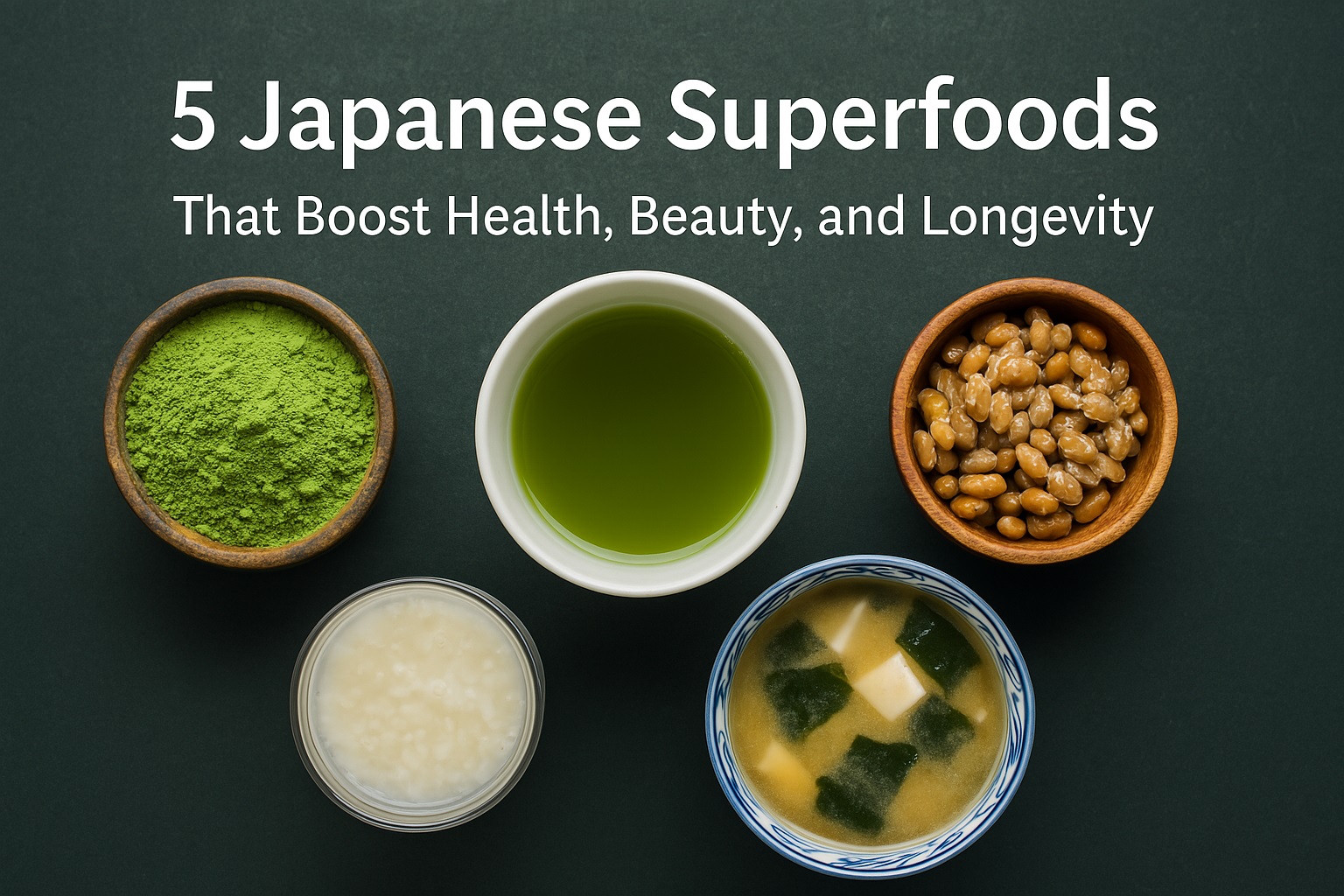
Japanese people are known for their long, healthy lives—and a big part of that is thanks to their traditional diet. In this article, we introduce five foods commonly enjoyed in Japan that are believed to offer a range of health benefits. While we're not medical professionals, we've gathered information based on traditional knowledge and widely available sources. As always, please consult a healthcare provider before making any major dietary changes.
1. Barley Grass: A Mild-Tasting Green with Powerful Benefits
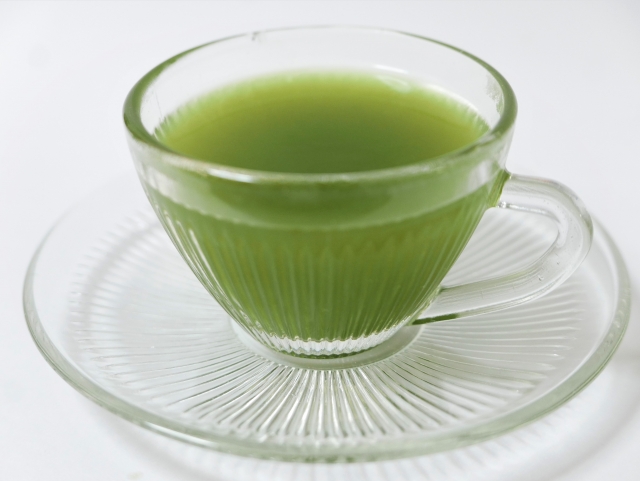
Barley grass might not have started in Japan, but it has been part of Japanese wellness routines for many years—usually enjoyed as a green drink called aojiru. It contains calcium, iron, magnesium, and protein, which may support blood health and circulation. Some people in Japan enjoy it to help with fatigue, cold sensitivity, or sleep issues. It’s also a good source of fiber, which can be helpful for digestion. With vitamin C and beta-carotene, it’s believed to support immune function and reduce oxidative stress. The gentle aroma of barley grass is also thought to have a relaxing effect. Thanks to its matcha-like taste, it’s easier to enjoy than many green powders.
How to Enjoy Barley Grass (and a Few Things to Keep in Mind) In Japan, barley grass is sold as a powder or drink mix. It contains fat-soluble vitamins and a bit of caffeine, so moderation is key. Always follow package directions. Its mild flavor pairs well with rice milk or soy milk, and honey can make it even tastier. Look for organic, freeze-dried products to preserve nutrients.
2. Green Tea: A Simple Sip with Powerful Benefits
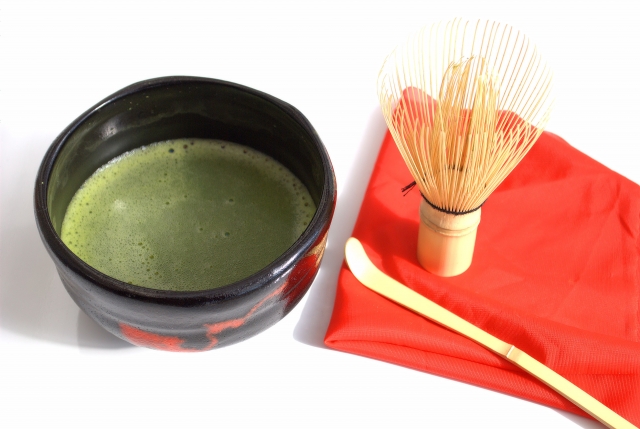
Green tea contains catechins, natural antioxidants that may help manage cholesterol and body fat. These compounds are also studied for their potential anti-aging effects. Green tea also contains caffeine, which supports metabolism, and theanine, an amino acid known for its calming properties. It also provides vitamin C and E, which may contribute to skin health and overall wellness.
How to Enjoy Green Tea (and a Few Things to Keep in Mind) Drinking green tea before meals is a common practice in Japan and may help manage appetite. To get the most vitamin C, enjoy the first brew. As it contains caffeine, those who are pregnant, breastfeeding, or caffeine-sensitive should consume it with care.
3. Natto: Japan’s Fermented Superfood for Body and Mind
Natto is a traditional Japanese food made from fermented soybeans. Though its strong smell and texture can be surprising, it has long been part of Japanese meals. It contains nattokinase, an enzyme linked to cardiovascular health, along with B vitamins, arginine, magnesium, and soy isoflavones. These nutrients are believed to support skin, digestion, hormonal balance, and even bone health. Some studies also suggest potential benefits for brain function and aging.
How to Eat Natto (and What to Watch Out For) Nattokinase is sensitive to heat, so avoid cooking natto at high temperatures. Enjoy it on rice, or mix it with ingredients like avocado, kimchi, or a bit of mustard and soy sauce for a milder flavor.
4. Miso: Japan’s Everyday Fermented Powerhouse
Miso is a fermented soybean paste and a staple in Japanese cooking. It contains enzymes, protein, and essential amino acids. Traditionally, it's been associated with supporting digestive health, skin wellness, and healthy aging. Some observational studies in Japan suggest miso consumption may be linked to reduced risk of certain chronic conditions.
Commonly used in miso soup, miso is also great in marinades and sauces. It adds a rich, savory flavor to many dishes.
How to Enjoy Miso (and a Handy Tip or Two) Miso's beneficial enzymes may break down at high temperatures, so it’s best to add miso after turning off the heat. Adding seaweed or leafy greens rich in potassium to miso soup is a common tip in Japan to help balance out salt intake.
5. Amazake: Japan’s “Drinkable IV Drip” for Energy and Beauty
Amazake is a sweet fermented rice drink that's often called a “drinkable IV drip” in Japan because of its naturally balanced nutrients. While this nickname is more cultural than scientific, amazake does contain B vitamins, amino acids, and enzymes that may help support energy levels and digestion. How to Drink Amazake (and What to Keep in Mind) One small cup per day is usually enough. Its natural glucose content may help with satiety, making it a popular breakfast or snack choice. However, it's not low in calories, so enjoy it in moderation.
Easy to Try, Easy to Love: Bring Japanese Wellness into Your Life
These five Japanese superfoods have been part of everyday life in Japan for generations. While we’re not offering medical advice, these foods are generally considered safe and beneficial when enjoyed in moderation as part of a balanced diet.
You don’t need to change your whole lifestyle to feel the benefits. Just try adding one or two to your daily routine and see how they make you feel. If you have any health concerns, be sure to consult a doctor or nutrition professional.
Sources / Further Reading
Illustrated Encyclopedia of Basic Nutrition (2025), Seibido Publishing
Mini Encyclopedia of Superfoods (2020), Mynavi Publishing