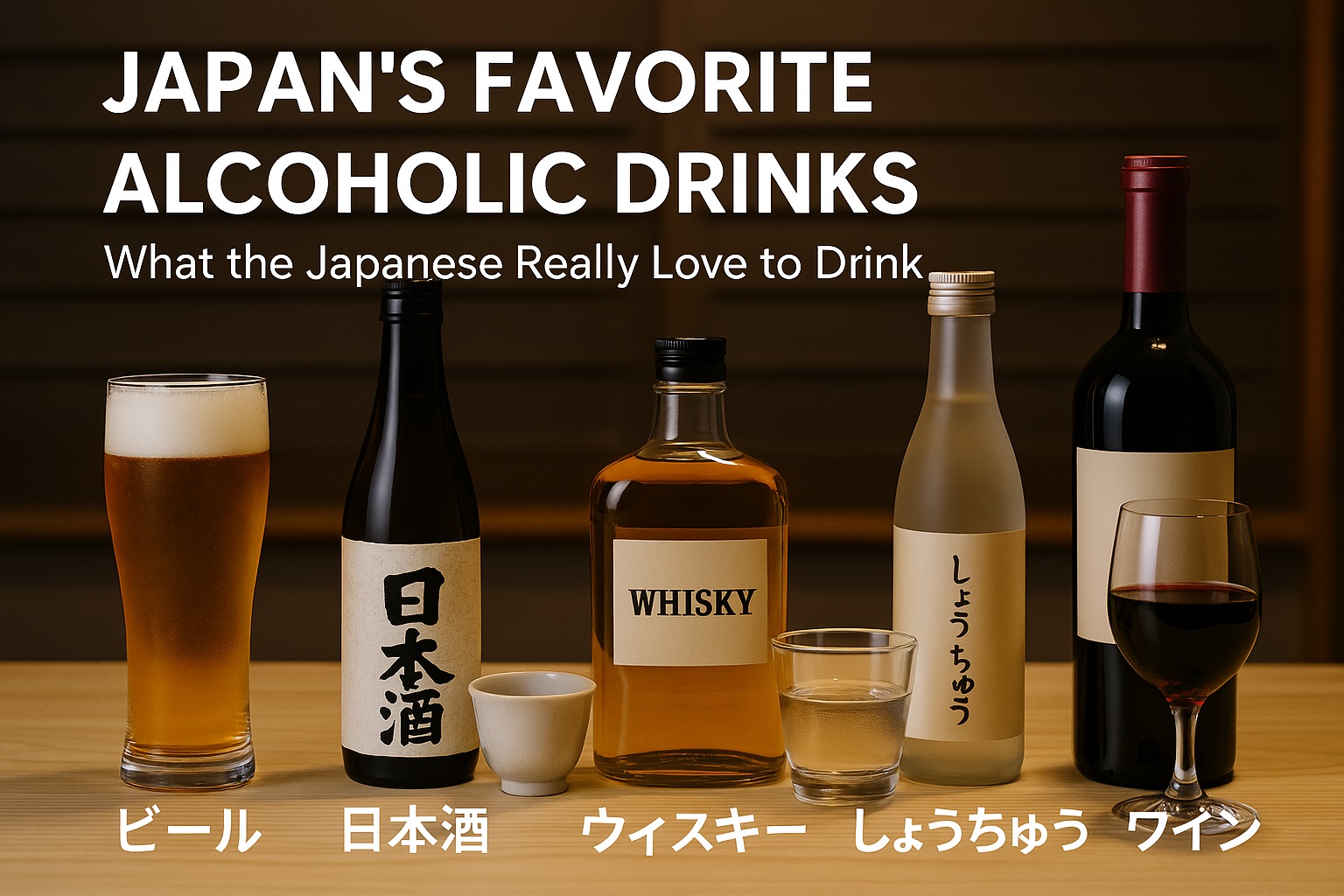
Japan's Favorite Alcoholic Drinks: What the Japanese Really Love to Drink
Discover what alcoholic drinks Japanese people truly love—beer, whisky, sake, shochu, and wine. Explore current trends, cultural habits, and consumption insights in Japan’s diverse drinking culture.
When it comes to alcohol, Japan offers an incredibly rich and diverse drinking culture. From casual beer nights at izakayas to refined sips of aged whisky, the Japanese drinking scene reveals much about the country’s traditions, preferences, and modern lifestyle. In this article, we explore the most popular alcoholic beverages in Japan, not just by consumption volume, but by overall preference, including spending habits, drinking occasions, and cultural relevance.
1. Beer (ビール)
Japan's #1 Alcoholic Beverage Beer remains the undisputed king of alcoholic drinks in Japan. According to the latest figures from 2024, over 3.5 billion liters of beer, including happoshu (low-malt beer) and new genre (third-category beer), are consumed annually. While per-capita consumption has declined since the 1990s, beer is still the most widely enjoyed alcoholic drink in Japan.
Drinking Culture:
Occasions: Company nomikai (drinking parties), after-work gatherings, summer festivals
Popular Types: Lager, craft beers, seasonal brews
Trend: Shift from mainstream brands to local and craft beer, especially among younger drinkers
Beer is commonly served in draft form at izakayas, and "kampai" (cheers) almost always starts with a cold beer.
2. Whisky (ウィスキー)
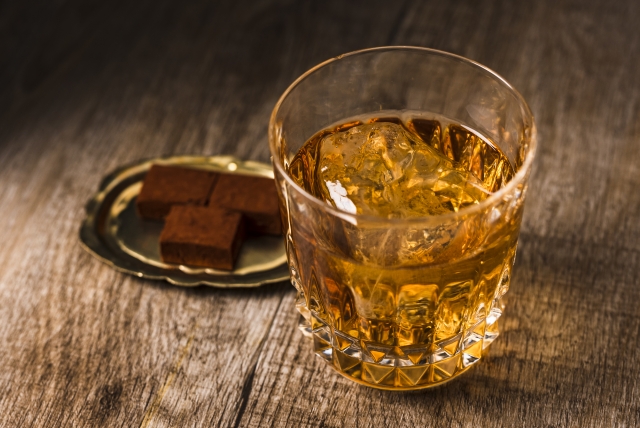
The Rising Star of Japanese Drinking Culture Japanese whisky has seen a dramatic rise in both domestic and international popularity. In 2024, whisky consumption in Japan reached approximately 180 million liters, fueled by the ever-popular highball (whisky + soda) and the global boom in Japanese whisky brands like Yamazaki and Hibiki.
Drinking Culture:
Occasions: Casual dinners, bars, home drinking
Popular Forms: Highballs, on the rocks, straight
Trend: Premium Japanese whiskies gaining cult status abroad; highball culture booming domestically
Whisky is increasingly consumed at home and in restaurants, often as a sophisticated alternative to beer.
3. Shochu (焼酎)
The Unsung Hero of Japanese Spirits
Shochu, a traditional Japanese distilled spirit, often goes under the radar for foreigners but remains a staple in many Japanese households, especially in southern regions like Kyushu. With around 500 million liters consumed annually, shochu actually surpasses sake in alcohol volume consumed.
Drinking Culture:
Occasions: Dinner at home, izakayas, with Japanese meals
Types: Imo (sweet potato), mugi (barley), kome (rice)
Trend: Health-conscious drinkers prefer shochu for its lower sugar and calorie content
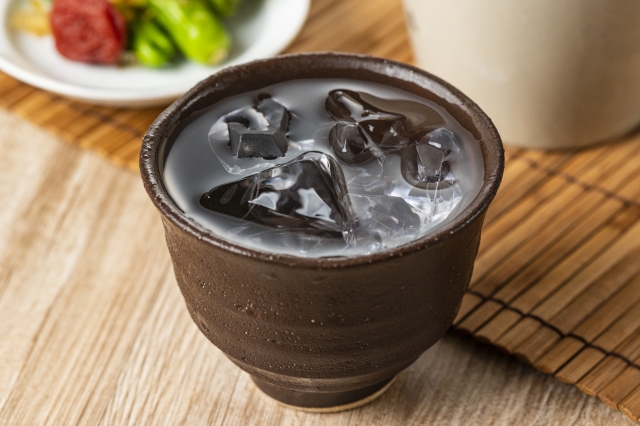
Shochu can be enjoyed in a variety of ways: on the rocks, diluted with hot or cold water, or mixed with soda ("sour" style).
4. Sake (日本酒)
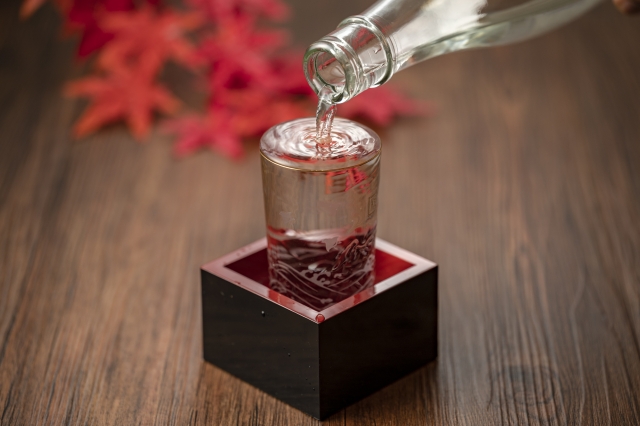
Japan's Cultural Heritage in a Cup Sake, or nihonshu, has a long and storied history in Japan. Although its consumption has declined significantly from its peak in the 1970s, sake remains a symbol of Japanese tradition and is often reserved for special occasions. About 360 million liters were consumed in 2024.
Drinking Culture:
Occasions: Weddings, New Year, traditional ceremonies
Types: Junmai, Ginjo, Daiginjo, Honjozo
Trend: Younger consumers are showing renewed interest in premium and local sakes
Sake is typically served warm or cold, depending on the type and season, and pairs beautifully with Japanese cuisine.
5. Wine (ワイン)
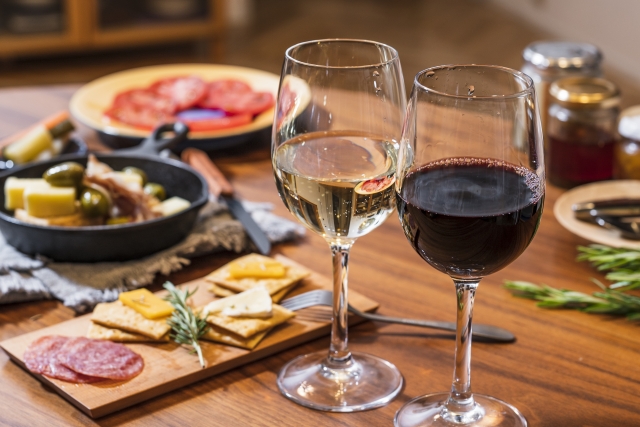
Gaining Popularity Among Urban and Female Drinkers Wine, both imported and domestic, has been steadily growing in popularity, especially in urban areas and among women. Japan consumed about 240 million liters of wine in 2024. While wine still lags behind beer and spirits, its image as a sophisticated and health-conscious choice is helping it gain ground.
Drinking Culture:
Occasions: Dining out, social events, celebrations
Types: Red, white, rosé, sparkling
Trend: Growth in domestic wineries and wine tourism
Wine is commonly enjoyed with Western-style meals, and sparkling wines are popular for toasts at weddings and parties.
Conclusion: What Do Japanese People Really Prefer?
When we consider not only the volume of alcohol consumed but also spending habits and cultural context, the picture becomes clearer:
Rank
Drink
Key Strengths
1
Beer (ビール)
High volume & spending; essential to social drinking culture
2
Whisky (ウィスキー)
Growing popularity; high per-unit value; versatile
3
Shochu (焼酢)
High volume; strong regional support; perceived healthiness
4
Sake (日本酒)
Cultural significance; premium niche appeal
5
Wine (ワイン)
Urban popularity; rising among health-conscious drinkers
If you're visiting Japan or exploring its culture from afar, trying each of these drinks in their appropriate context—a beer with grilled yakitori, a whisky highball at a retro bar, or warm sake during a shrine festival—is one of the best ways to understand Japanese society from the inside out.